11 times Formula 1 drivers took another driver’s car number
With Max Verstappen announcing his switch to Daniel Ricciardo’s old number 3, and Lando Norris set to take on the champion’s number 1 next season – car numbers are back in focus. Here are 11 times drivers went on to race with another driver's number.

After four seasons running the number 1, Max Verstappen revealed that he will line up with a brand-new digit on his car in 2026. With Lando Norris set to carry the World Champion’s number next season, Verstappen will switch to number 3 rather than returning to his familiar 33.
Car numbers can carry a lot of meaning to the grid. Before 2014, car numbers were assigned to each driver based on the previous season’s Teams’ Championship order, avoiding 13 for superstition, but now drivers are free to choose their own unique number. There are two exceptions, with the number 1 being reserved for the current World Champion, while the number 17 is retired in memory of Jules Bianchi.
Many drivers loyally stick with their chosen number throughout their junior and senior careers, often carrying it into other racing categories too. However, the new clause allows for number changes with FIA approval, and permission from the driver who had that number within the last two seasons – case in point: Daniel Ricciardo and Verstappen.
With retirements, returns, and plenty of reshuffles, here are 11 times when drivers took another driver's number.
3 – From Daniel Ricciardo to Max Verstappen
Ricciardo and the number 3 have been synonymous since 2014. But the story behind the pairing is very on-brand for the recently retired Aussie. Ricciardo first ran with the number during his younger karting days after quite literally pulling it from a hat. He returned to the number in F1, with an announcement and nod to one of his heroes, NASCAR legend Dale Earnhardt, who famously raced with the same number. It wasn’t long before ‘3’ became part of the Honey Badger’s identity, even using it as part of his DR3 brand.
Now the number 3 is set to make a return to the grid in the hands of Ricciardo’s former team mate and four-time World Champion Verstappen. This week, he announced he would race with Ricciardo’s former number after the Aussie and the FIA gave him permission. The duo raced together at Red Bull between 2016 and 2018, and for Verstappen, this change is one he’s been thinking about for quite some time!
Speaking to Viaplay, the Dutchman said: “My favourite number has always been 3, apart from number 1. Number 33 was always fine, but I just like one 3 better than two. I always said it represented double luck, but I’ve already had my luck in Formula 1.”
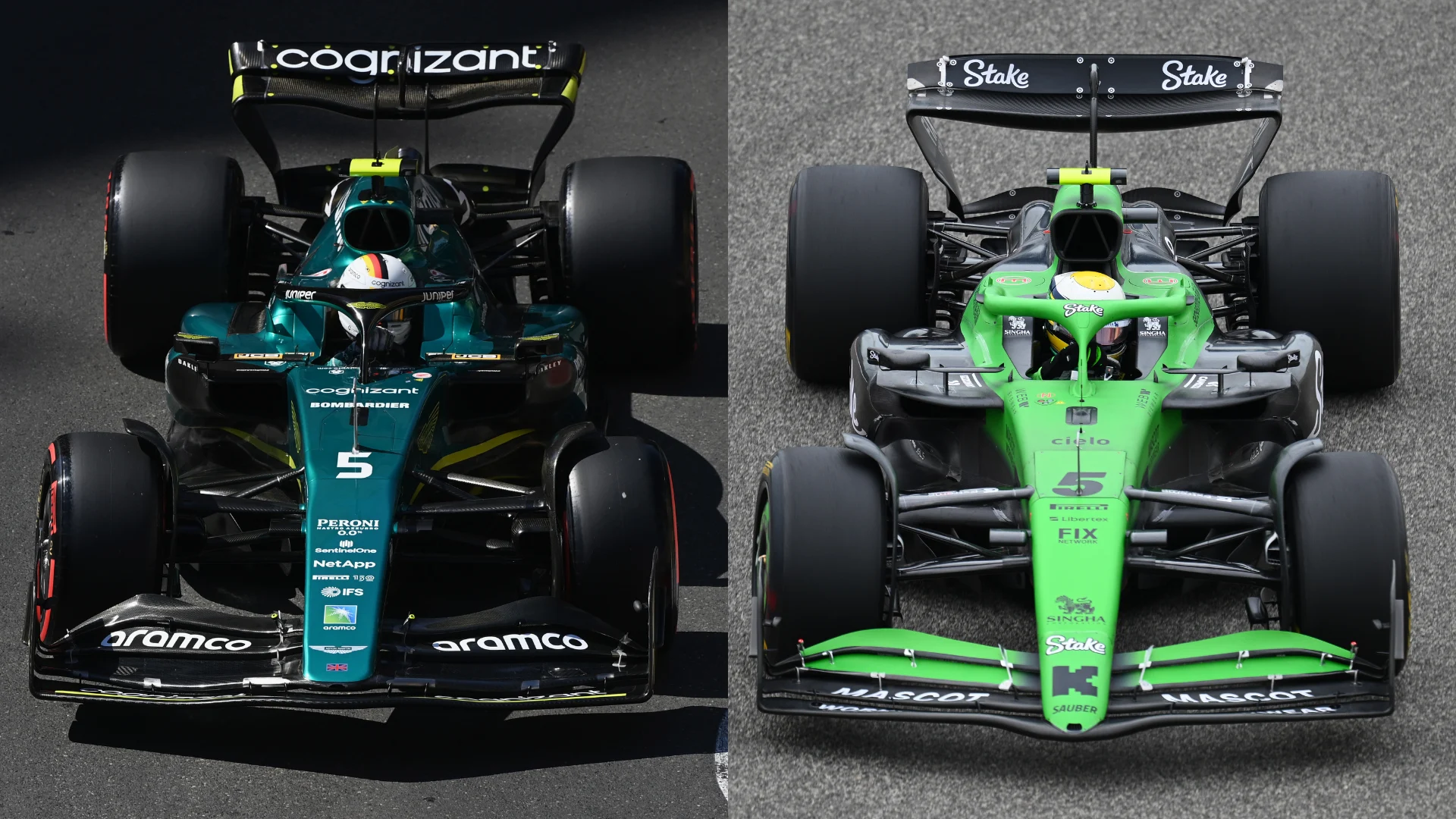
5 – From Sebastian Vettel to Gabriel Bortoleto
Once his four-year reign as World Champion ended at the hands of Lewis Hamilton at the end of 2014, Sebastian Vettel opted to return to the number 5, the same number he donned when winning his first title in 2010, and that accompanied him to his karting success in 2001. The German was also a big fan of Nigel Mansell, so with the number 5 repeatedly popping up, he was inspired to choose it.
Three seasons after Vettel’s retirement at the 2025 season opener in Melbourne, the number 5 hit the track once again, courtesy of young Brazilian rookie Gabriel Bortoleto – a new era for this legendary number that has seen so much success. It represents big shoes to fill for the now 21-year-old, but how did Bortoleto come to his decision?
“Because I won Formula 3 with this number,” he explained on Kick Sauber’s social media. “And actually from 85, that is the number I used to use in the past when I started go-karting.”
6 – From Nico Rosberg to Nicholas Latifi to Isack Hadjar
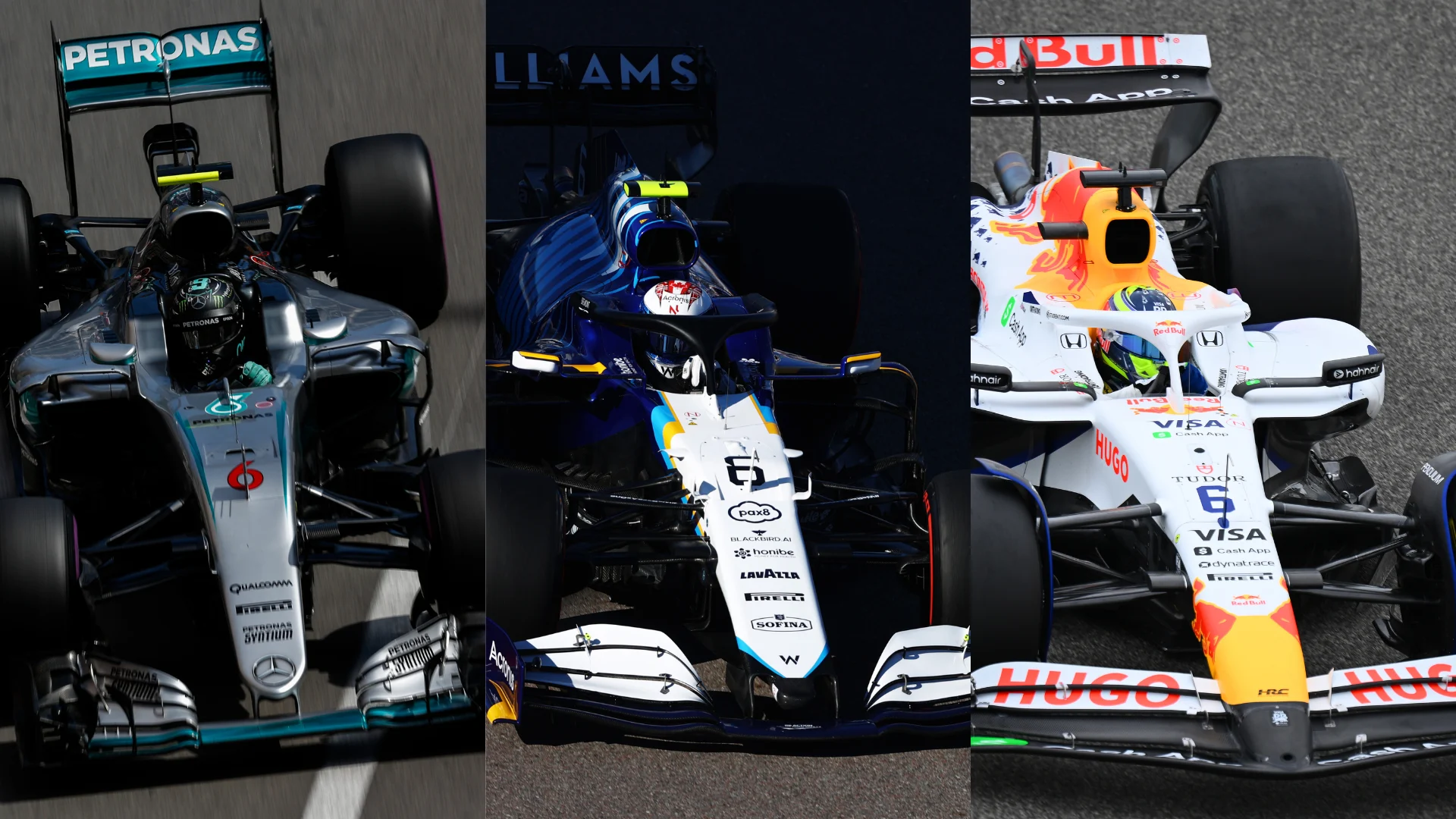
Just one digit higher was what Mercedes’ Nico Rosberg had set his sights on ahead of the regulation change in 2014. Reasons why pertained to family – six is both his wife’s and his dad’s lucky number. And that luck transferred, as Rosberg won the Drivers’ Championship in 2016 with six on his car, 34 years after his father Keke Rosberg won the 1982 World Championship with the same number!
Just a few years after Rosberg’s retirement, Nicholas Latifi joined the grid, also represented by the number 6. His reasoning came from his Canadian background, as Latifi was born and raised in Toronto. The Williams driver explained to fans: “Toronto is known as the six, basically if you’re from there your area code for your phone number is either the 416 or 647.”
Latifi left the grid at the close of the 2022 season, but the number 6 wasn’t off the grid for long. Isack Hadjar chose the number for his rookie season with Racing Bulls in 2025 explaining on Racing Bulls’ YouTube that the first kart his dad bought him had the number six on it, and he simply never changed it throughout his career. It was a stroke of good fortune for the Frenchman that the number was available, and the partnership served him well, as the success of his maiden season earned him a promotion to Red Bull.
22 – From Jenson Button to Yuki Tsunoda
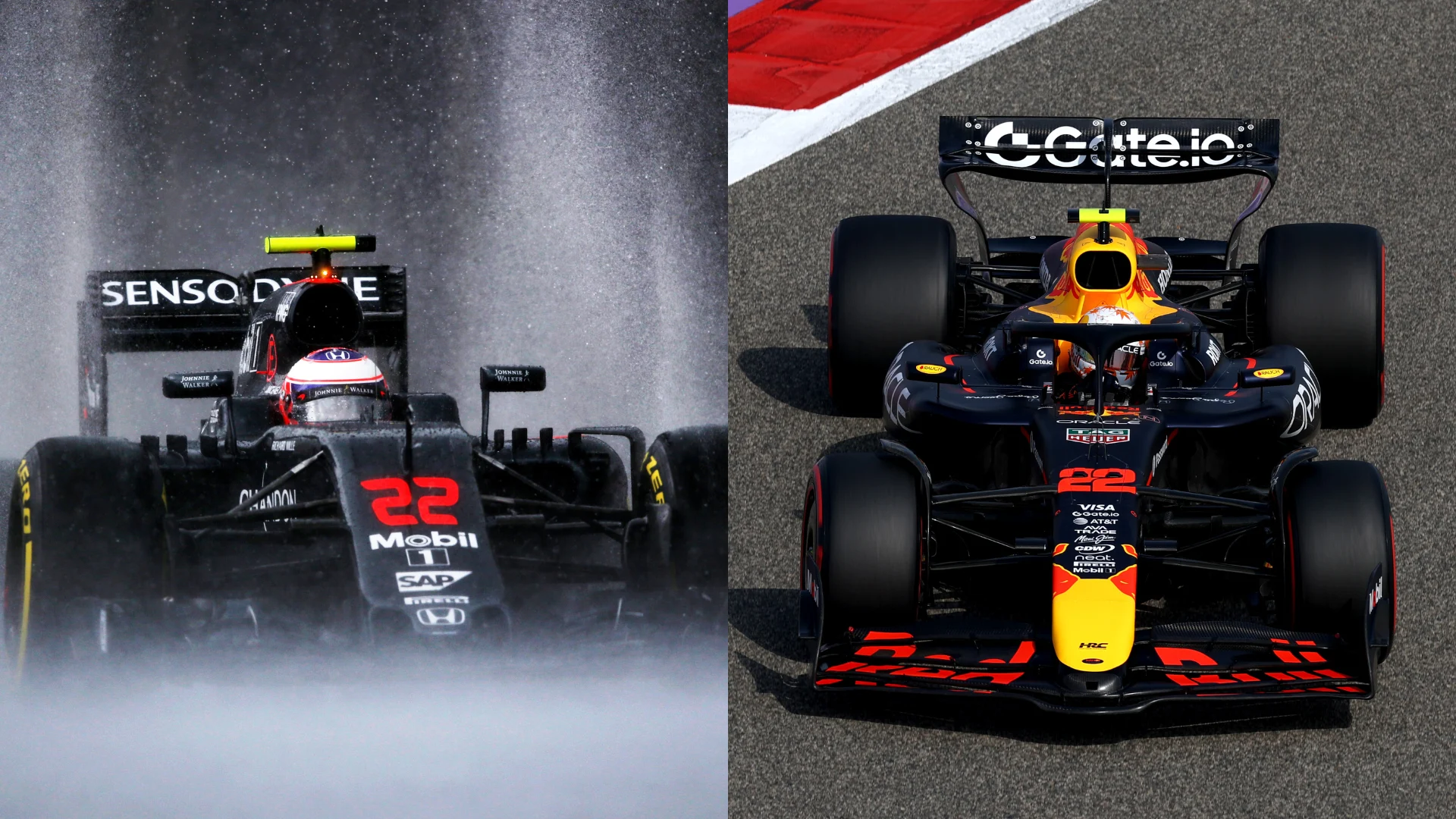
When Brawn GP arrived on the grid for their first – and ultimately only – season in F1 in 2009, their drivers were handed the highest numbers available. Jenson Button ran with 22, while Rubens Barrichello took 23. At the time, it was simply a quirk of the numbering system, but by the end of the year, 22 had become linked with one of the sport’s great fairytale stories forever, as Button and Brawn clinched both World Championships.
“I became World Champion in 2009 with number 22, so I have good memories of 22, and I look forward to making new memories,” the Brit said when announcing his decision for his 2014 season with McLaren.
Fast forward to 2021, and the number 22 was back, with Yuki Tsunoda. Admittedly, it wasn’t his first choice – Tsunoda had raced with number 11 during his karting career – but with that already taken by Sergio Perez, he doubled it instead. In an interview on his former team AlphaTauri’s website, he said: “I also liked it because it was the number of Jenson Button, a driver I respect a lot when he won the Formula 1 World Championship in 2009. It’s also a number used by Japanese driver Takuma Sato.”
10 – From Kamui Kobayashi to Pierre Gasly
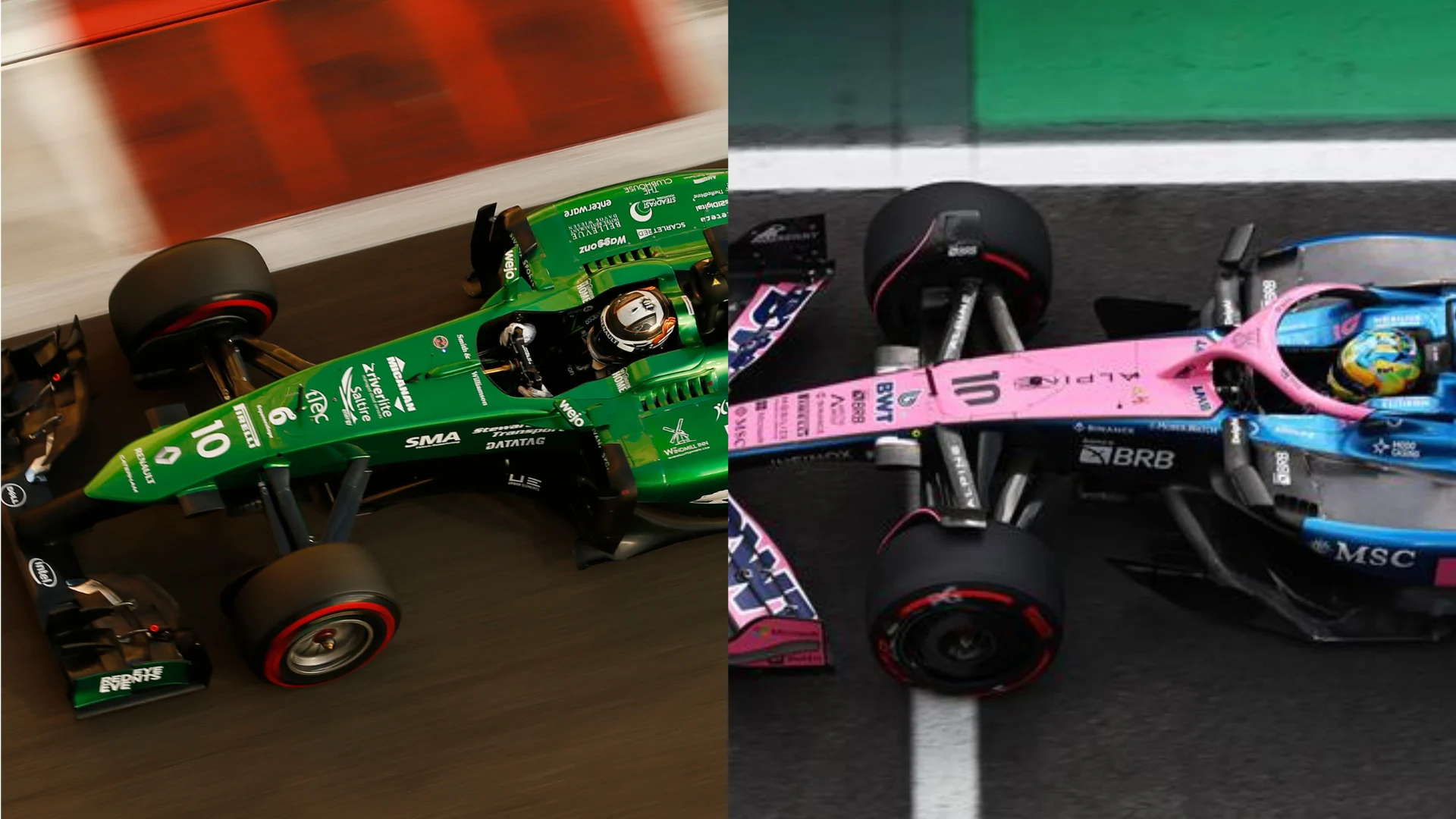
From one popular Japanese driver to another, Kamui Kobayashi made his F1 debut with Toyota back in 2009, sporting the number 10. So, it was no surprise when he chose to return to that number in 2014 when he drove for Caterham.
Alpine’s Pierre Gasly brought the number 10 back when he joined Torro Rosso in 2017. Like many of the drivers, Gasly also chose a number from his junior days, but he also uses it as a tribute to one of the great French footballers.
“I raced with that number in 2013 when I became Formula Renault European champion," said Gasly. "I was a big fan – I am still a big fan – of Zinedine Zidane, who was number 10 for the national French team."
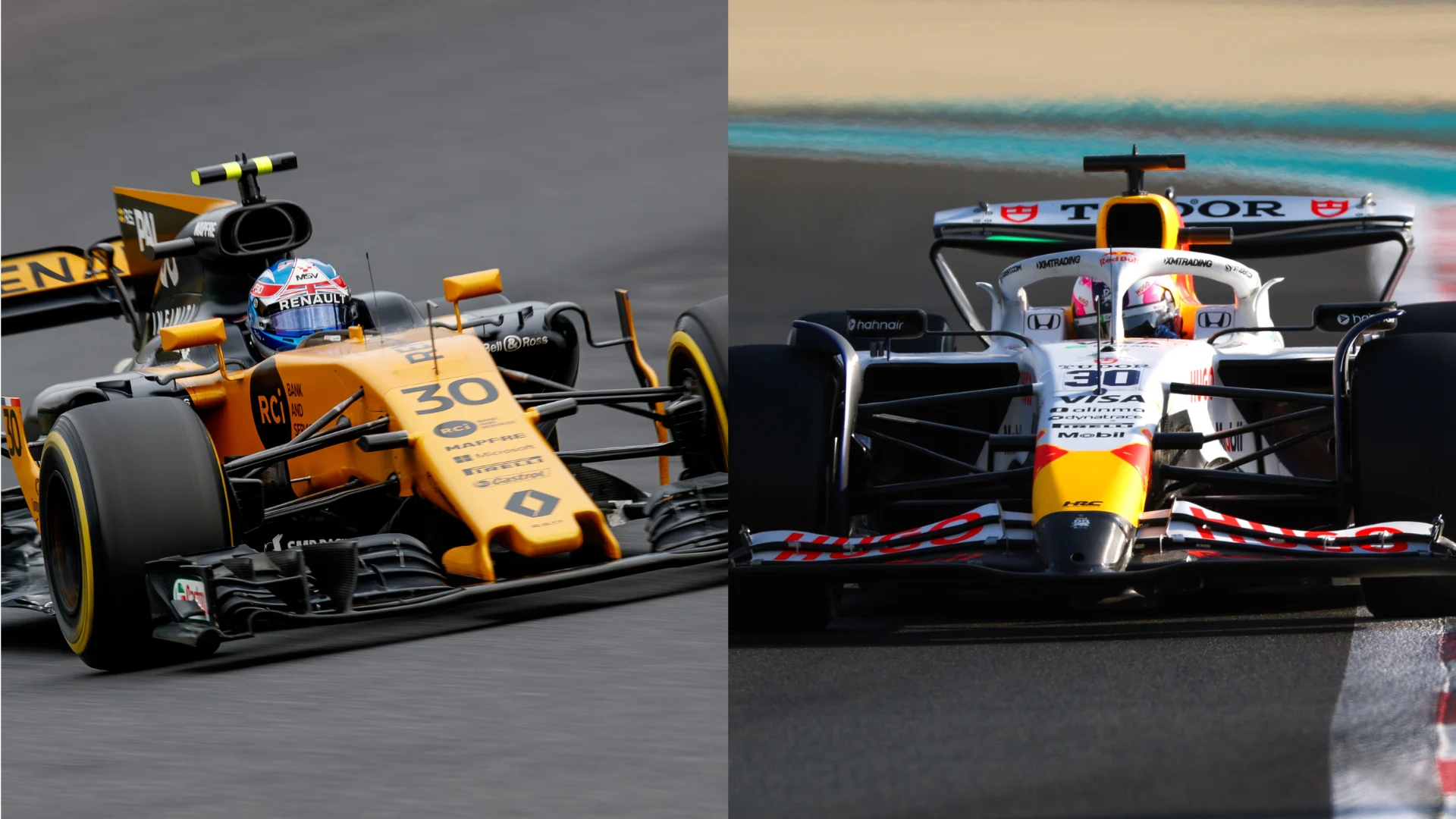
30 – From Jolyon Palmer to Liam Lawson
For Jolyon Palmer, when he joined the grid in 2016, the number 30 already felt familiar to him. During his 2015 FP1 practice sessions, test driver Palmer was assigned the number 30, and decided to stick with the number for the remainder of his F1 career with Renault.
Liam Lawson, however, felt a more sentimental pull towards the number 30 – even if he wasn’t able to use it straight away. When he first stepped into the sport as a stand-in for the injured Ricciardo in 2023, the Kiwi was assigned the temporary number 40 by the FIA.
Once he was able to choose a permanent number from the United States Grand Prix later that year, Lawson returned to one that had followed him since childhood. The number 30 dates back to his karting days, when Lawson was inspired by a mentor who looked after him and ran the same number. It’s a choice rooted in those early years, and one Lawson has carried with him ever since – very wholesome!
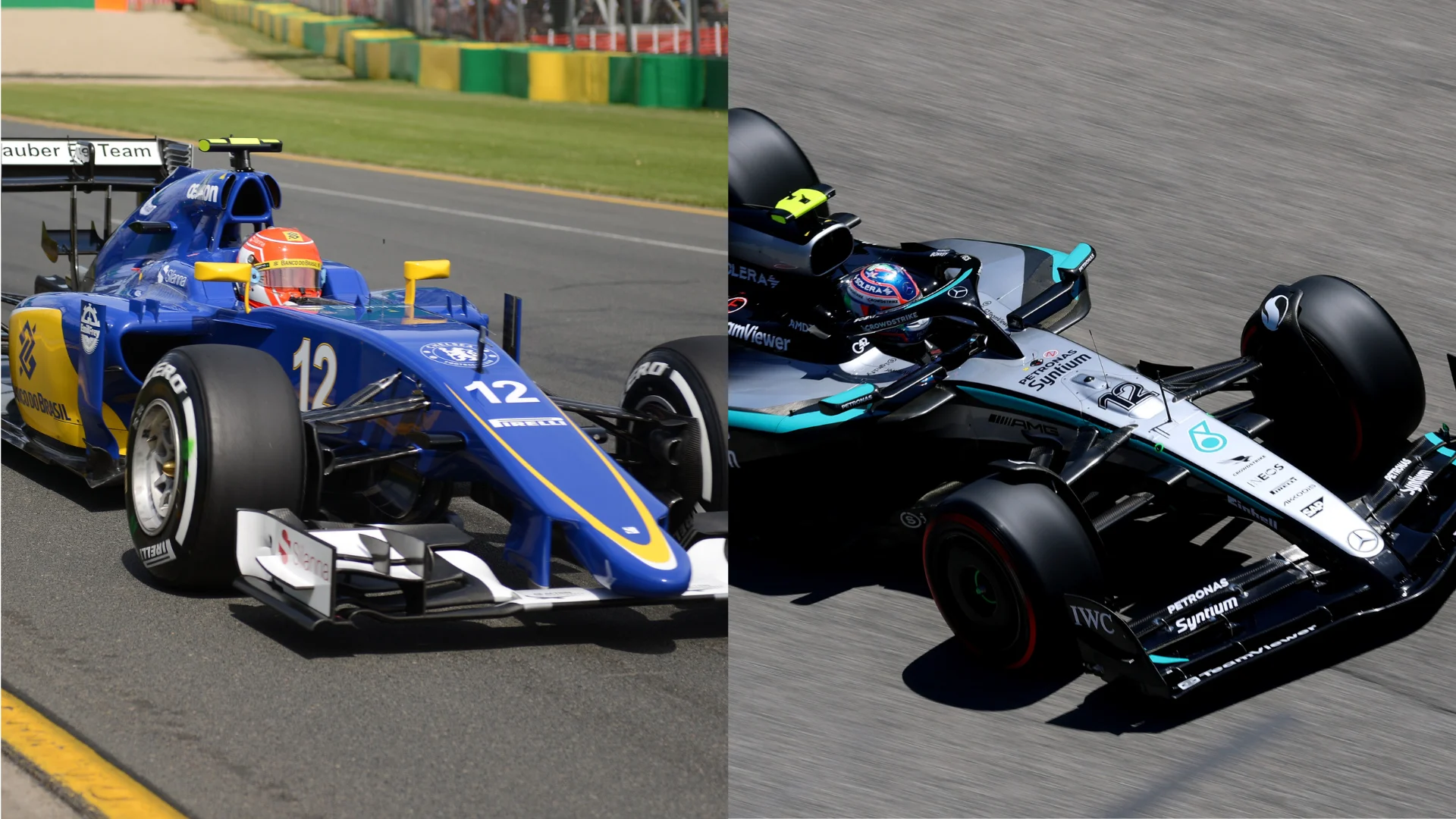
12 – From Felipe Nasr to Kimi Antonelli
When Felipe Nasr joined the grid in 2015, he opted to run with number 12. While Nasr didn’t publicly attach a specific reason to the choice, the number carried a clear resonance. It was the same number used by fellow countryman Ayrton Senna when he won his maiden World Championship, making it a fitting link to one of the sport’s most iconic figures and national heroes.
When he joined the 2025 grid, Mercedes’ Kimi Antonelli also wanted to pay tribute to the legendary Brazilian. “It is because of Ayrton,” Antonelli said of the decision behind his number in an interview on Mercedes’ official website. “But it is also the number I first used in single seaters.
“From F4 I started to use 12 straight away and it worked pretty well with that number. Hopefully I can carry that on in F1. I was also 12 years old when I joined the Mercedes junior programme, so there is that too.” The Italian also raced with 12 on his way to Italian and ADAC F4 titles in 2022.
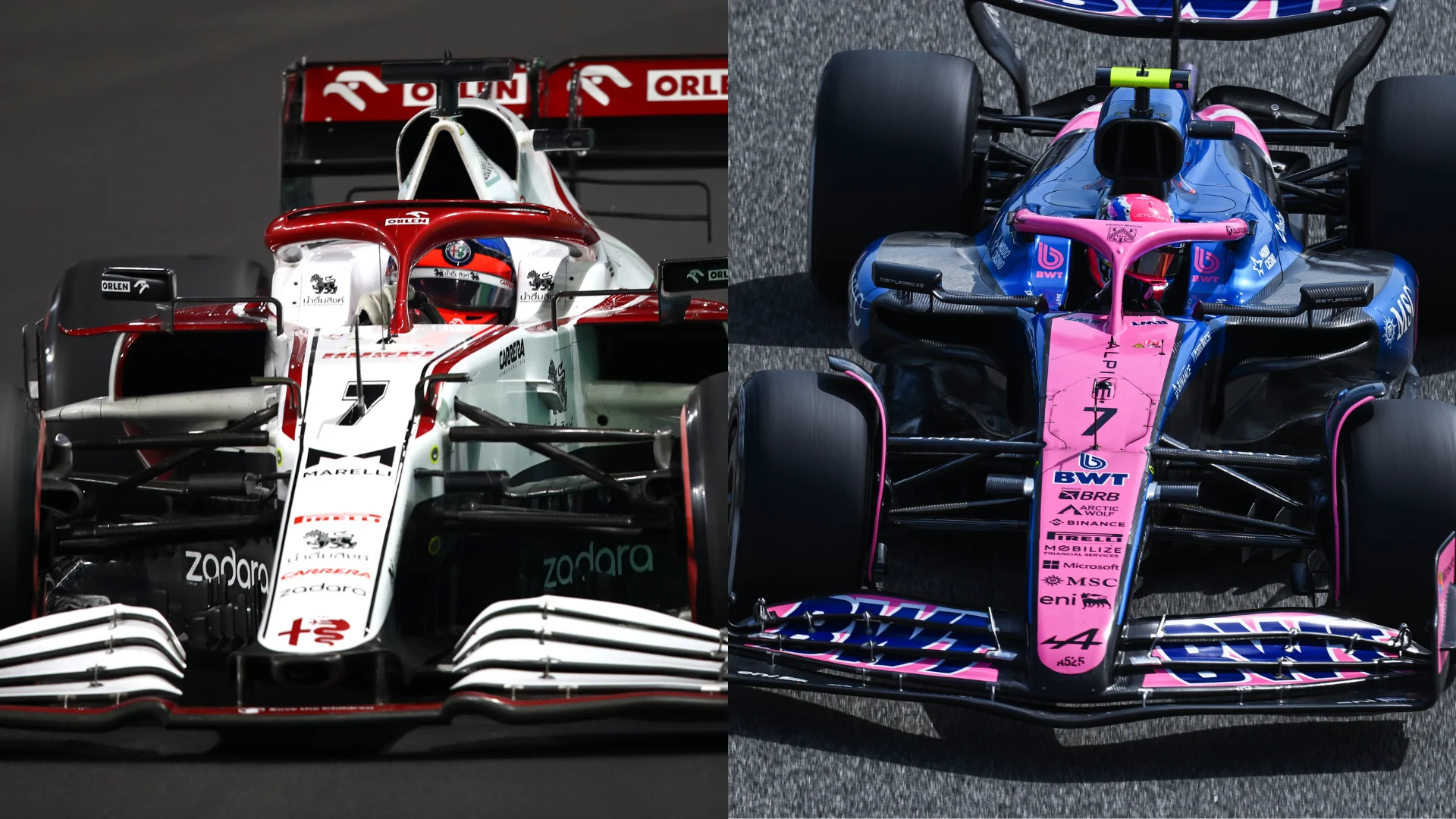
7 – From Kimi Raikkonen to Jack Doohan
When the time came for him to choose a number in 2014, the 2007 World Champion Kimi Raikkonen had a very meaningful reason for choosing the number 7. The Finn explained: “We had to pick up a number, and I just picked up that.” Another classic ‘Iceman’ moment. He added: “There was a chance I took six because I won the Championship with it, but I knew Rosberg wanted it.”
Raikkonen’s choice may not have meant much to him, but the number 7 was the desired choice for Charles Leclerc and Valtteri Bottas, who had to pivot to 16 and 77 instead!
Doohan took on the number 7 in 2025, keen to choose something meaningful for his Alpine car. “I really wanted to go with a number that I raced with before,” Doohan explained in an Alpine social post. The Aussie spent the 2019 season driving for Double R in Euroformula Open – a team funnily enough founded by Raikkonen and his manager, Steve Robertson. “One of my idols, a super special person and driver, Kimi Raikkonen, also drove with that number,” Doohan added.
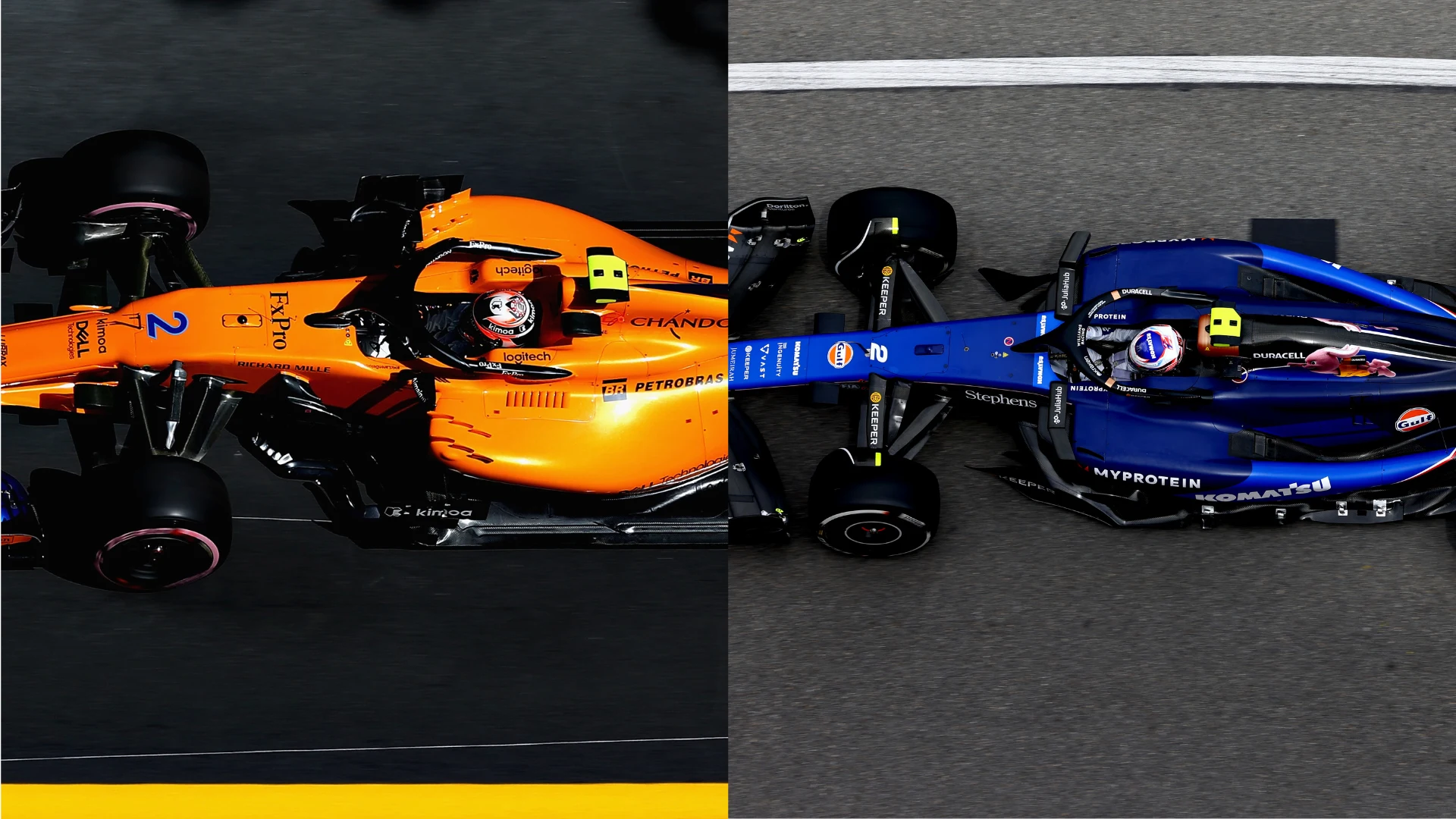
2 – From Stoffel Vandoorne to Logan Sargeant
With number 1 being an exclusive offering to the World Champion, you’d think the number 2 would be a popular choice, but only two drivers have opted for it. Stoffel Vandoorne used it when driving for McLaren in 2017 and 2018, with the Belgian explaining the number carried strong personal significance. “I chose it because it was the first number I had when I started racing in single-seaters – in Formula 4 Eurocup 1.6, back in 2010,” he told the McLaren website.
“I didn’t choose the number, it was just given to me, but it was a good year for me – I had a lot of victories and a lot of podiums – so it has positive memories for me.” As with many drivers, Vandoorne kept the number outside of F1, with his Formula E car donning the two as well.
Logan Sargeant brought the two back to the grid for his one and a half seasons with Williams. Once again, the American wanted to use the number from his successes in the junior categories. “I used to run [number 2] in Formula Renault, and I had a pretty good season that year,” said Sargeant. “Number 3 is my number, but that’s taken [by Daniel Ricciardo] so I figured, why not take a winning number from the past and run with in F1?”
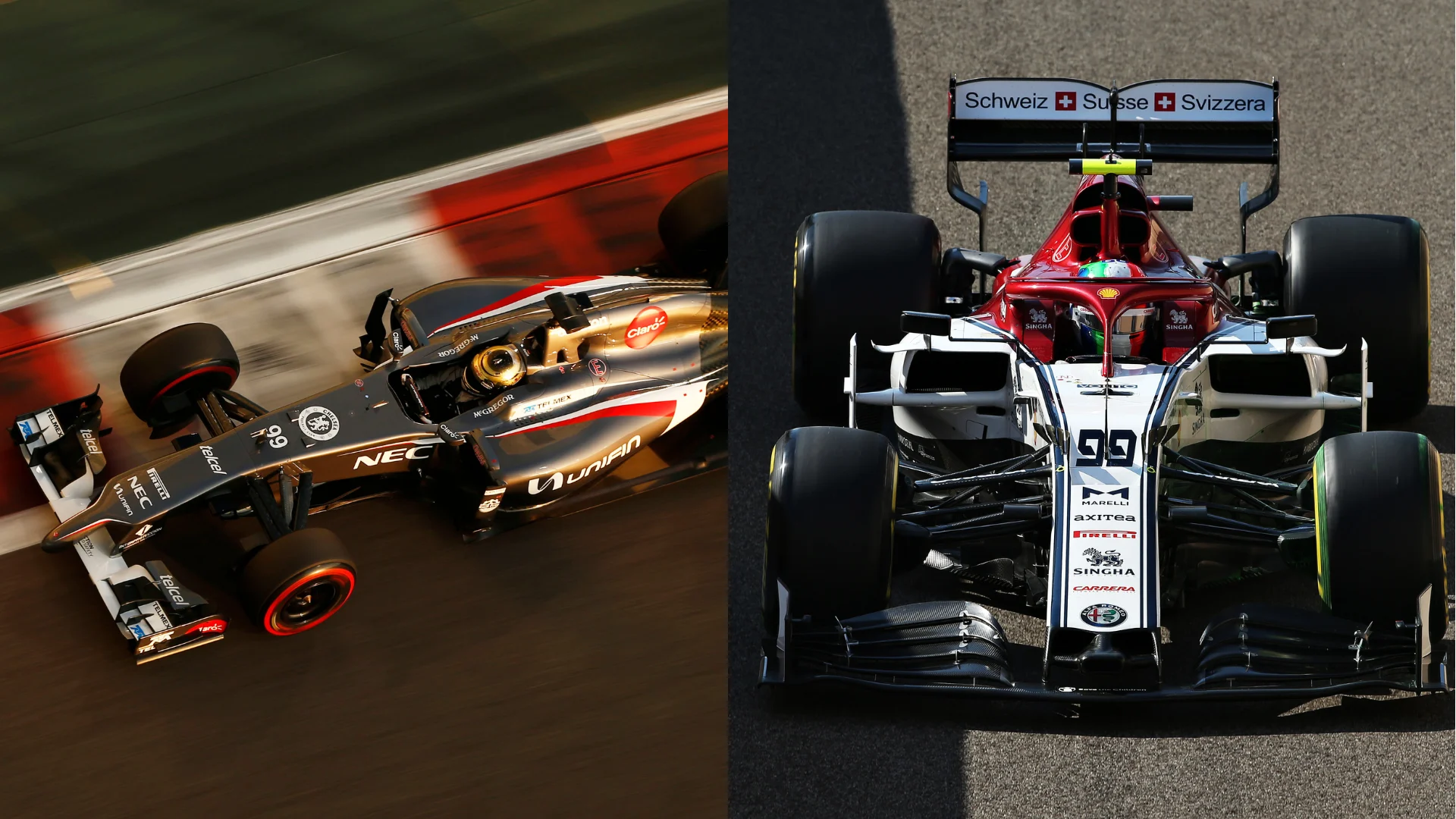
99 – From Adrian Sutil to Antonio Giovinazzi
Adrian Sutil’s choice of 99 was unique. While he simply chose the highest number available, the 99 has only appeared once before in the World Championship – on Lee Wallard’s victorious car at the 1951 Indianapolis 500. However, that race was not run to F1 regulations, so Sutil became the first driver to race with 99 on a Grand Prix car – a moment of history for the German.
Antonio Giovinazzi also chose the maximum possible number allowed under the rules. The former Alfa Romeo driver explained how he won his first race in a 2006 Italian karting championship with the number 99, with the only other numbers available being 13 and 17, both unlucky for Italians. He also enjoyed being the last on the entry lists, viewing it as a lucky charm.
1 – From Sebastian Vettel to Max Verstappen to Lando Norris
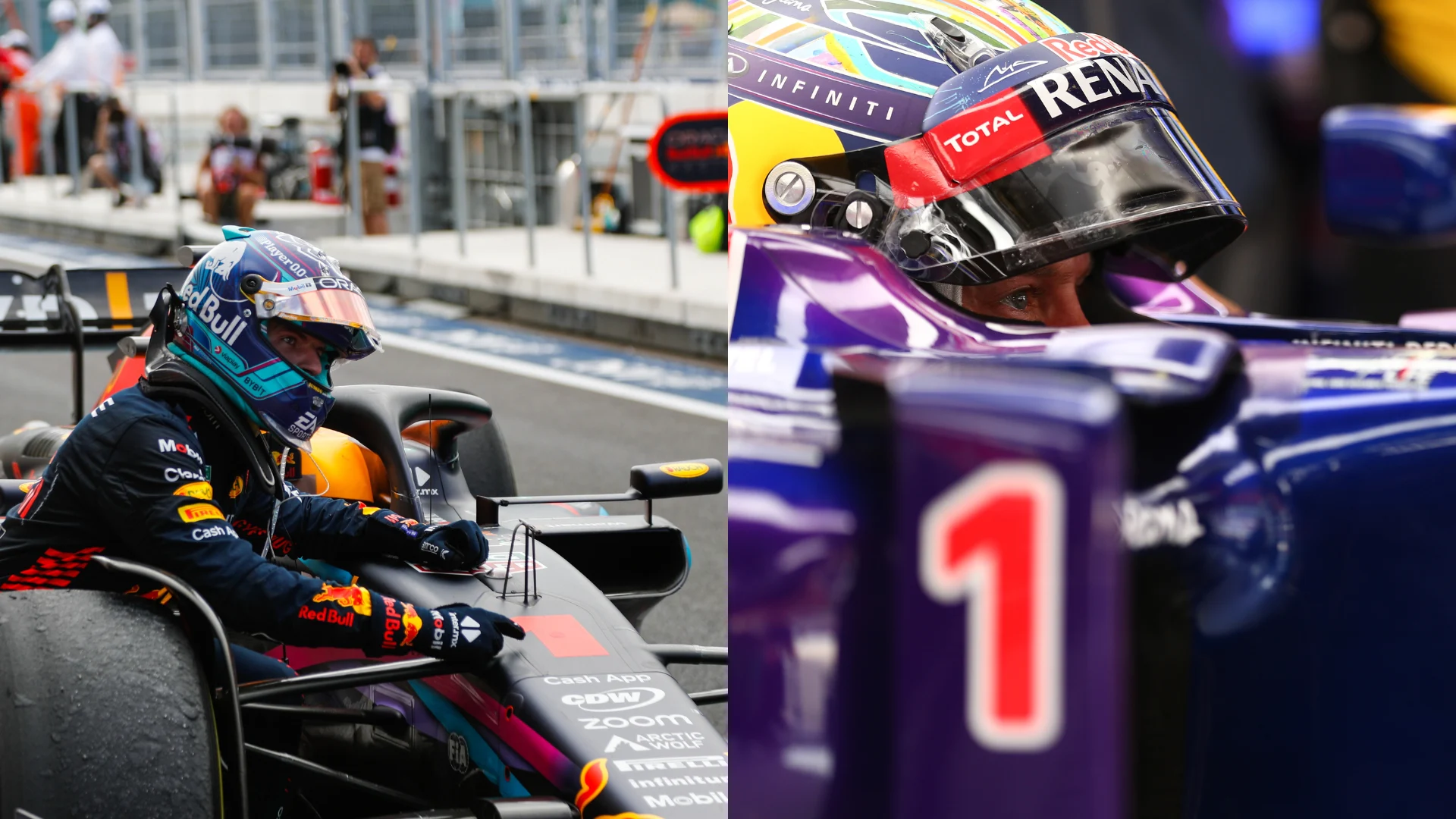
The number 1 has been reserved exclusively for the reigning World Champion, but there is no obligation to do so, and the driver’s normal number is reserved throughout their time with the World Champion’s number. Vettel raced with it after winning his final title in 2013, before reverting back to the number 5 for the rest of his career.
Hamilton famously chose to stick with his 44, a nod to his first go-kart, throughout his world titles post-2014, a number that has since become inseparable from his identity in and out of the sport. However, the Brit did run the number 1 on his W09 Mercedes for the 2018 Abu Dhabi Grand Prix as a one-off.
Verstappen proudly claimed the number 1 for all four seasons after his Championships. After winning the 2021 title, he said: “How many times can you do that? I don’t know, maybe it’s the only time I can in my life. It’s the best number out there. So, I will definitely put it on the car.”
For this upcoming season, the number 1 will change hands for the first time in four years – as newly crowned World Champion Lando Norris will switch from his usual number 4. “It's tradition, it's there for a reason,” Norris told Sky Sports News. “All of us as a team that gets to have a role in McLaren, or my car, will get to wear that with pride. It's all my mechanics, my engineers, everyone that's part of McLaren gets to have that acknowledgement too.”
Next Up
Related Articles
/GettyImages-2297994269.webp) Gasly insists Alpine must ‘look ahead’ after Baku collision
Gasly insists Alpine must ‘look ahead’ after Baku collision/GettyImages-2297999485.webp) Alonso explains decision to stay with Aston Martin for 2027
Alonso explains decision to stay with Aston Martin for 2027 BettingOur top tips for in-race betting during Bahrain GP
 Inside the chaos of the F1 drivers’ pre-Sepang training camp
 Mercedes suffer one of the ‘toughest Fridays’ of the season
.webp) Audi reveal new Formula 1 campus plans in Hinwil
Audi reveal new Formula 1 campus plans in Hinwil