From smaller cars to a bigger budget cap – 12 rule changes you need to know in 2026
A host of changes are coming to Formula 1 in 2026 – we delve into the most important ones fans should be aware of.

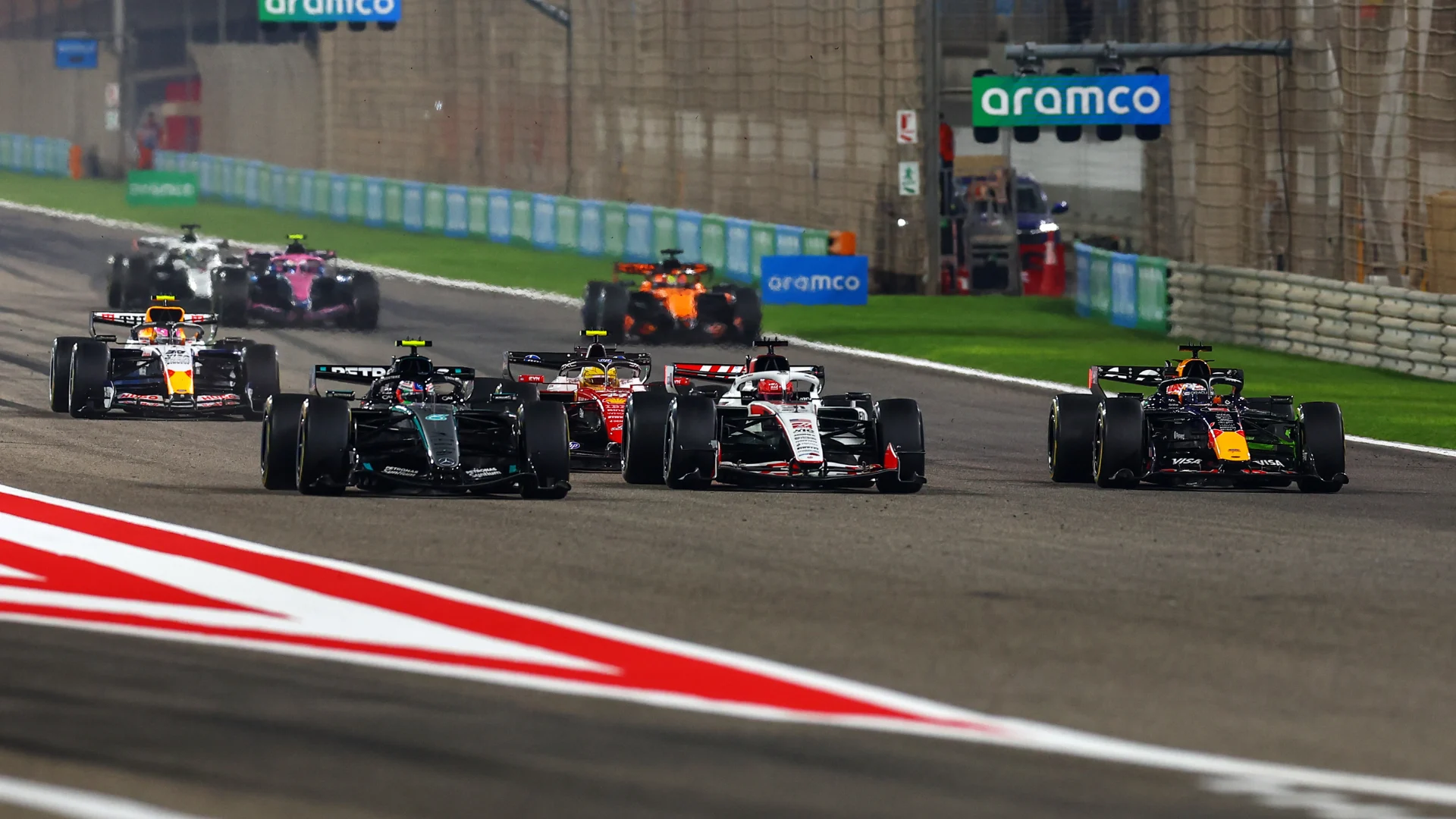
2026 is a year of significant change in the world of Formula 1, with this year’s cars having to adhere to brand new power unit and aerodynamic regulations.
With so much that’s different, it can be hard to stay on top of all the developments, so here we run you through the main changes you need to know ahead of the new season.
Smaller cars
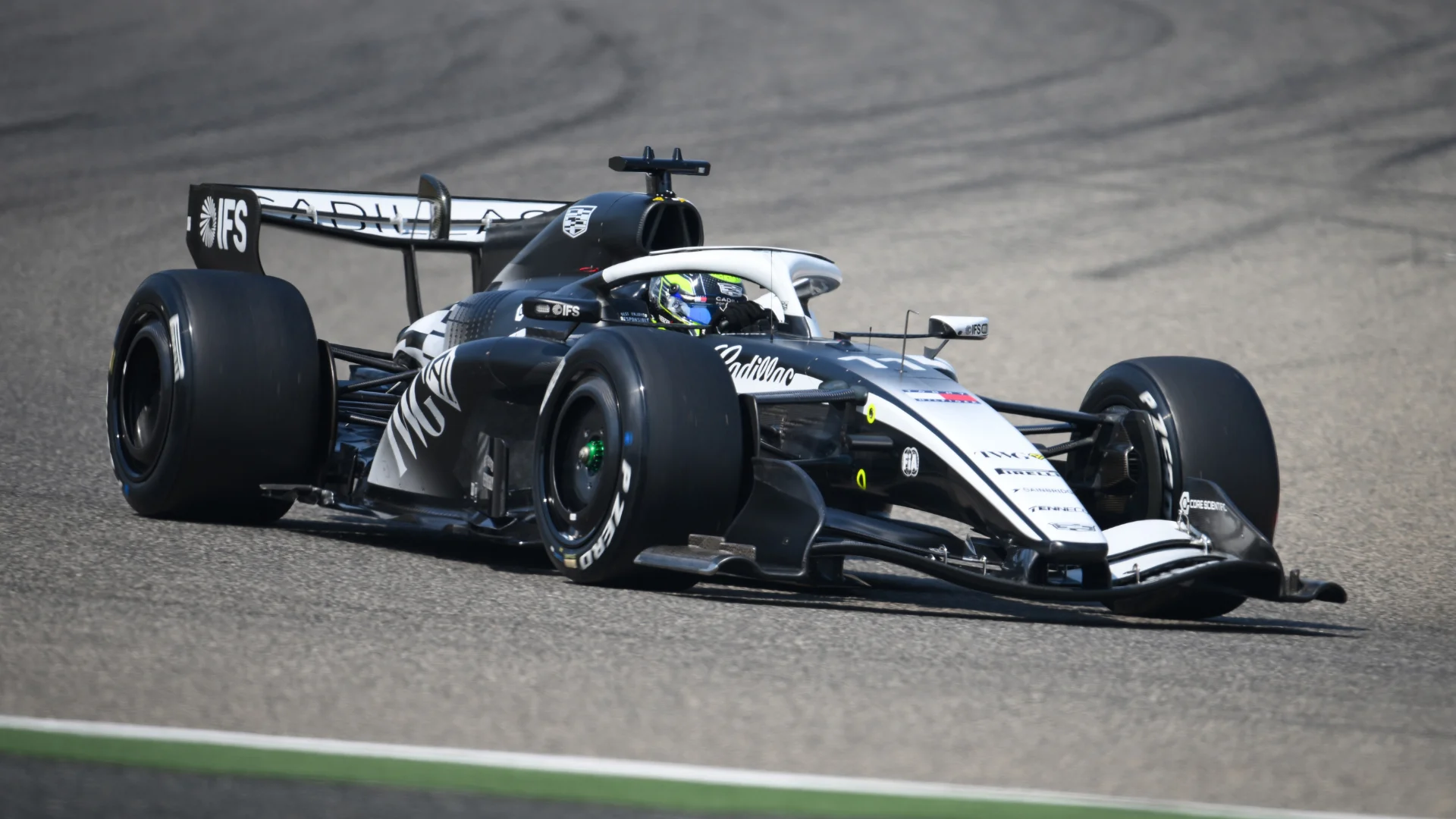
A number of changes have been made to the dimensions of the cars in 2026, including a shorter wheelbase. The distance between the front and rear axle is 200mm shorter than last year – 3400mm instead of 3600mm – creating what drivers have been calling a more nimble car than in 2025.
The cars are narrower, too, with 100mm taken off the width of the floor, and the tyres adding to that. The front tyres are 25mm narrower than last year, and the rears have had their width reduced by 30mm.
While the new proportions can have an impact on racing – giving that little bit more space for two cars to battle in – they also can impact grip, with a smaller contact patch for the tyres.
Lighter cars
The removal of the MGU-H (Motor Generator Unit – Heat) has played a part in being able to lower the weight limit, as have the above reductions in size. With smaller car and tyre dimensions, there has been a significant drop in the minimum weight limit, down from 800kg in 2025 to 768kg this year.
Drivers have already commented on their ability to feel that difference in weight behind the wheel, as an improvement in handling despite the lower downforce levels that are a result of new aerodynamic regulations.
Fresh aerodynamics
The main rule change from last year is the removal of the Venturi tunnels underneath the car that generated so much aerodynamic performance through ground effect. Although the new floor regulations still allow a lot of performance to be gained in this area – particularly with a bigger diffuser – it’s not as dominant as in the past.
The front and rear wings have been simplified, wheel covers have been removed (another weight-saver) and bargeboards included that are designed to direct turbulent airflow from the front wheels inboard. The intent is to reduce outwash – the practice of pushing that turbulent air away from the car, often disturbing the car behind – and improve the ability for cars to follow each other.
New power units
Running on Advanced Sustainable Fuels for the first time, the V6 turbo hybrid has become… a V6 turbo hybrid. But it is a very different power unit.
Gone is the MGU-H – a complex and heavy motor – and the Internal Combustion Engine (ICE) now has a reduced power output of around 400kW. However, the MGU-K (Motor Generator Unit – Kinetic) remains and is more powerful, with the electrical energy output increasing from 120kW to 350kW, to make for a roughly 50-50 split between internal combustion and electrical power.
The battery is now allowed to be recharged with more than double the previous 4MJ (megajoules) per lap, and in tandem with the increased electrical power output that places a greater emphasis on harvesting that energy.
That is done under braking, on part-throttle, through what is being termed ‘super clipping’ (the MGU-K operating in reverse when still at full throttle at the end of straights, permitted with certain limitations) or a driver lifting off the throttle themselves before hitting the brakes.
The introduction of Advanced Sustainable fuels
In tandem with the new power units comes the significant change of the fuel that will be used by the teams this year. Instead of a fuel derived from crude oil or fossil feedstocks, Advanced Sustainable Fuel is one where the molecules have to be extracted from an advanced sustainable feedstock.
In basic terms, that is anything second-generation that is not in competition with the food chain. That could be residues from different industries or even organic waste, with the FIA measuring the CO2 equivalent to every step in order to also control the processes to extract the molecules.
It also has to be a drop-in fuel, meaning they’re designed to replace fossil fuel equivalents without requiring any adjustment to the engine.
Overtake Mode
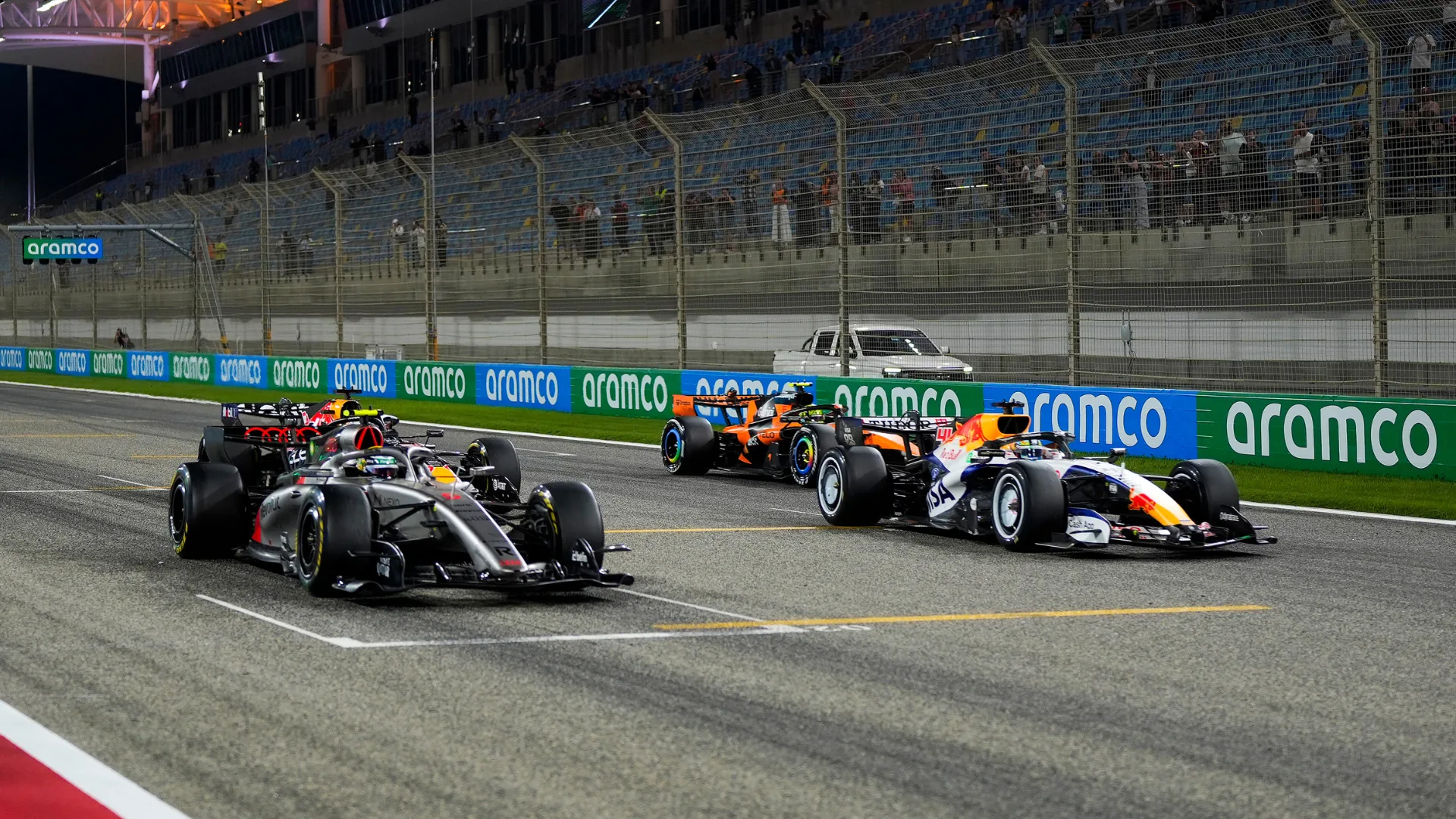
Replacing the Drag Reduction System (DRS) as an overtaking aid is a new power mode simply known as Overtake Mode, that allows a driver to recharge an extra +0.5MJ, and generate an additional electrical power profile, so they can sustain a higher speed for a longer period.
There is one detection point per lap for this mode – expected to be out of the final corner on many occasions, leading onto a long straight – and the mode will be available to drivers on the following lap as long as they stay within a second of the car in front at that detection point.
Its use will be most effective on longer straights as the delta speed it will deliver should have a greater effect on closing the distance between the two competing cars.
Straight Mode (Active aerodynamics)
Straight Mode is a different aerodynamic configuration that allows cars to reduce their drag, making them more efficient when accelerating up towards top speed.
The rear wing continues to open up a gap – just like it did when drivers used DRS in the past – but now the front wing also moves. The uppermost front wing elements drop down at the same time the rear wing’s top element does.
This is a mode that is used automatically on every single lap in dry conditions, in every area that is designated for it (see below for more on the track zones). Essentially, the car will adapt between two different configurations depending on where it is on the track, providing maximum downforce in corners but then less drag on straights.
Boost
While this is a rule change in certain ways, it is also an evolution of what was seen previously when it came to energy deployment. Boost refers to a driver being able to deploy additional energy that has been harvested whenever they choose.
Drivers did this throughout the first era of the turbo hybrid power units, but the greater amount of electrical energy that is being generated from 2026 onwards means they have the opportunity to create a greater performance differential.
The Boost Button is free to use for drivers whenever they wish, in the sense that they can use it as both an overtaking or defensive tool, or simply to gain lap time wherever they see fit. It can be used all at once or spread across the lap, depending on when they have the best chance to attack or where they are most vulnerable.
New track zones
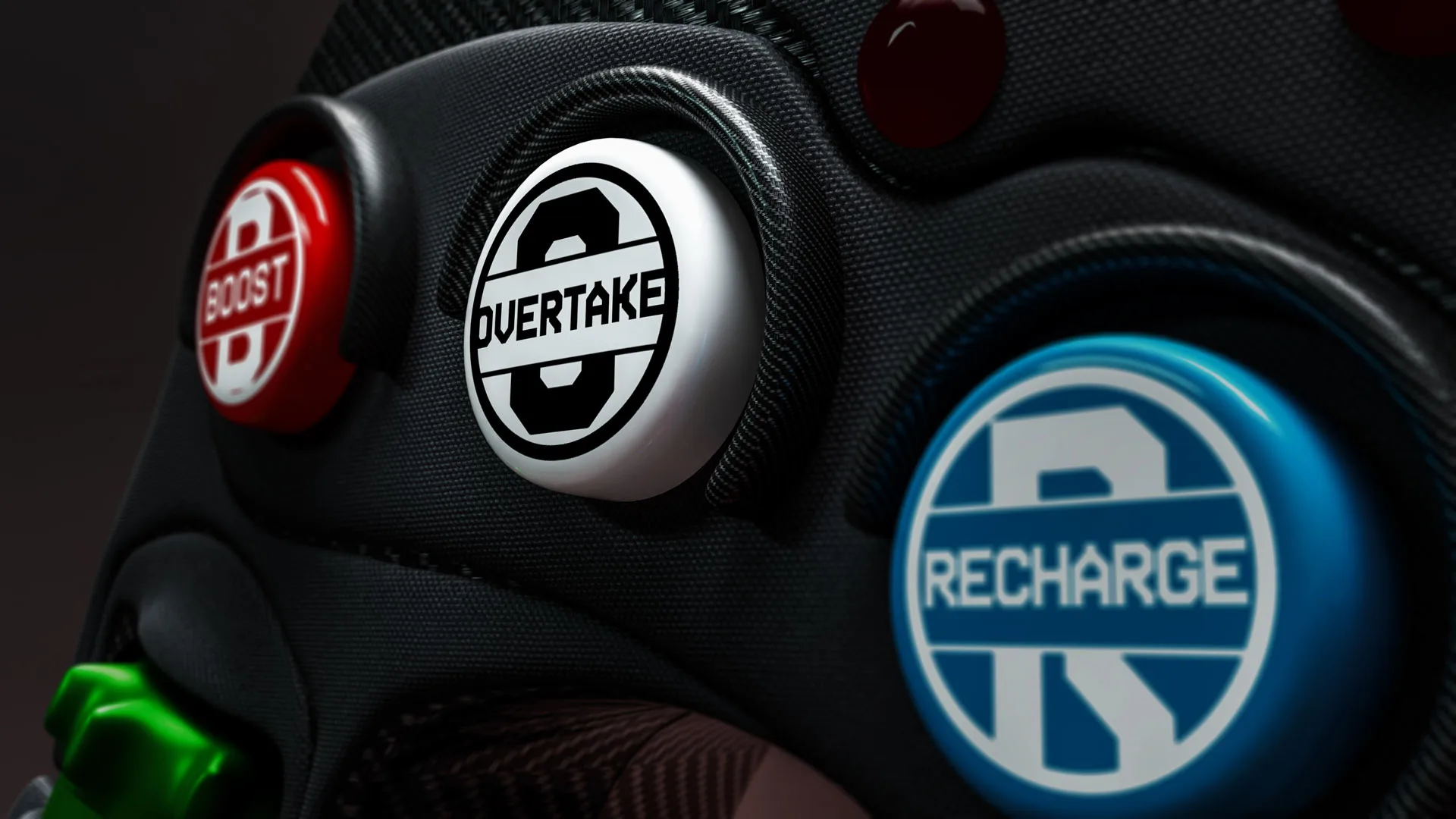
The changes above mean you will see different marker boards around each track compared to previous seasons. Where the DRS board became familiar, there will often now be a board marked SM (Straight Mode) that defines where a zone starts that the cars can reduce drag.
There will be multiple areas around the track that these are placed, with four on display in Bahrain during pre-season testing.
On top of that, there are shorter zones for when race control deems there to be low grip conditions. This still allows straight mode to be used, but activated further away from the previous corner, and with only the front wing dropping down into a low drag configuration, rather than both the front and rear wings.
A tweak to the start procedure
Pre-season testing is not just an opportunity for the teams and drivers to get to grips with their new machinery, but also for the FIA to see how the cars perform and where certain procedures might need to evolve or improve.
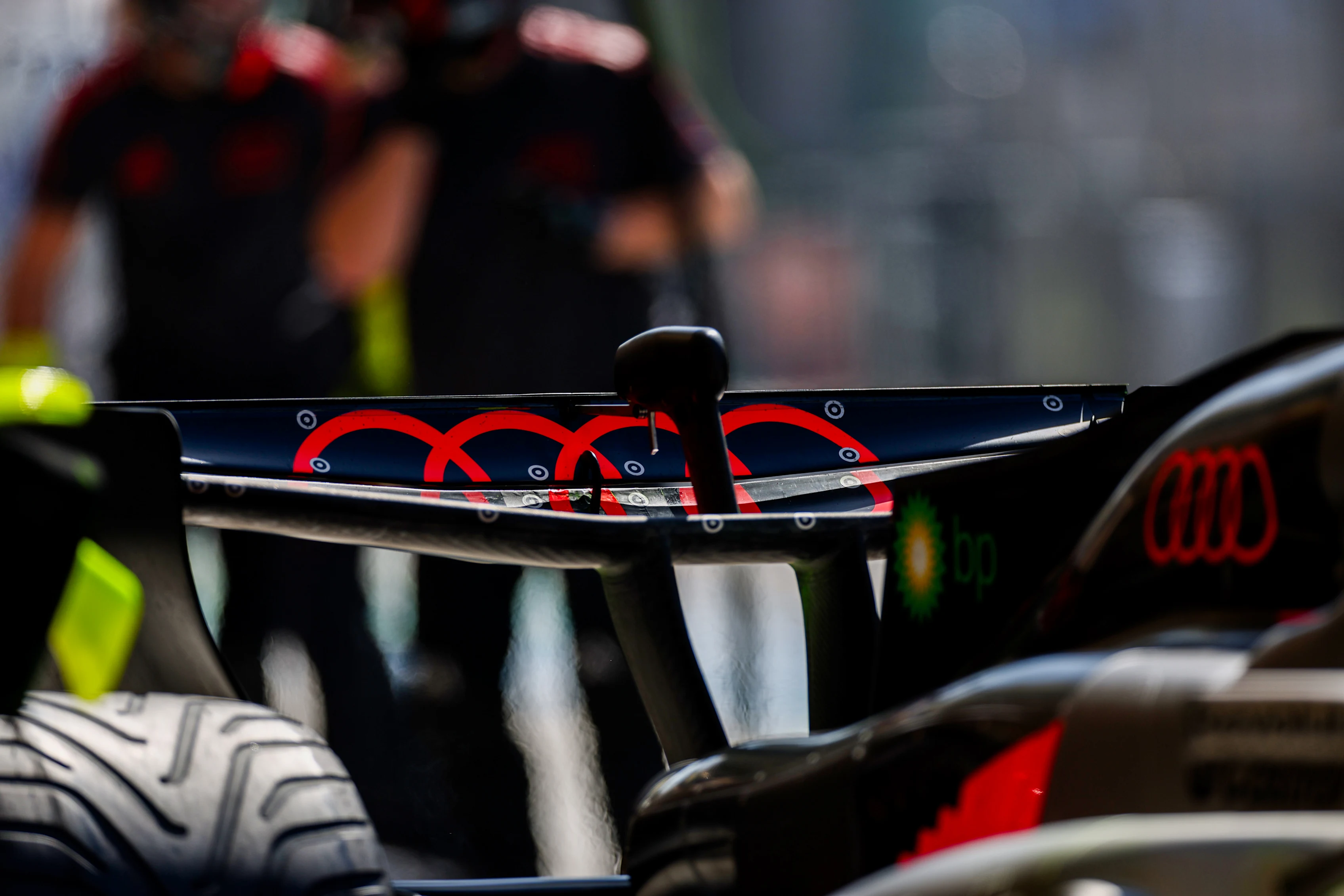
One such area became apparent during the first pre-season test in Bahrain, when we saw drivers having to sit for a little longer at high revs before carrying out a practice start, as they needed to spool up the turbo ready to launch.
In the past, the MGU-H could be used to spin up the turbo, but that component has now been removed, so it needs the exhaust gasses from the ICE to do so. That means it takes more time, which drivers don’t usually have once they line up on the grid.
So there looks set to be a small addition to the start procedure, as drivers will get a pre-start warning once the final car has lined up in its grid slot. From that point, drivers will have five seconds to start building the revs before the first starting light is illuminated.
Qualifying adjustments
Only a very small change, but an important one nonetheless with an expanded grid this season. The arrival of Cadillac means there will be 22 cars competing at each race, up from 20 in recent years, and that requires a slight adjustment to the regulations for Qualifying.
Instead of five cars being eliminated in Q1, six will now drop out at the end of the 18-minute first part of Qualifying, and the same will happen in Q2 when another six are unable to progress from that 15-minute segment. That means Q3 remains as it was in the past (though it is now 13 minutes), with the top 10 cars vying for the front positions on the grid.
/GettyImages-2261000578.webp)
A bigger budget cap
The vast scale of the changes are an enormous challenge for all of the teams, and as you can imagine, they do not come without a significant amount of cost as well.
With so much that is different across all aspects of the cars, there is extremely little scope for carryover of parts, and so the budget cap has been extended to allow for the additional expense.
What was a limit of $135million for items included under the Cost Cap last year has been increased to $215m (adjusted to £170m, €199m in the Financial Regulations) while teams are building and developing the 2026 cars.
The Power Unit Cost Cap has also been increased from the previous mark of $95m to $130m (£152m, €180m) for the new power unit regulations.
Next Up
Related Articles
/GettyImages-2298210625.webp) McLaren explain what ‘caught us by surprise’ in Malaysia
McLaren explain what ‘caught us by surprise’ in Malaysia What the teams said – Friday in Malaysia
  BettingBest value early bets for the Bahrain Grand Prix
 Leclerc tops FP2 from Hadjar at Bahrain GP in Malaysia
/MV%2016x9%20single%20image.webp) AS IT HAPPENED: First Practice for the Bahrain GP in Malaysia
AS IT HAPPENED: First Practice for the Bahrain GP in Malaysia Antonelli believes Russell has ‘got the momentum’