Worldwide champions, FIA stewards and DJs – Where are all of Red Bull’s F1 graduates now?
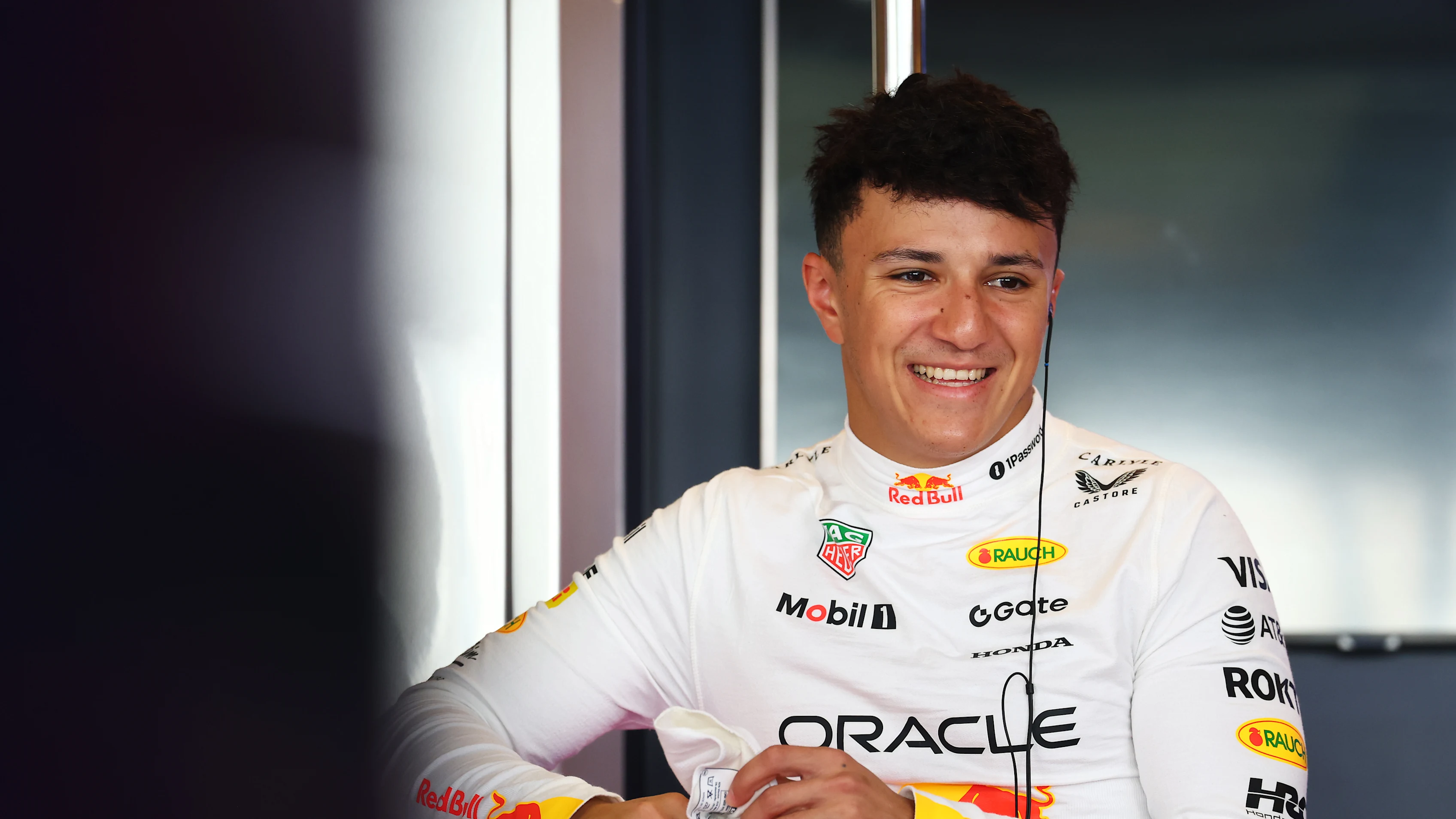
Arvid Lindblad is the latest on a long list of drivers to represent the Red Bull family in Formula 1.
Arvid Lindblad will become the next driver to take to the grid for a Red Bull-owned team in F1, with the Briton stepping up from F2 to Racing Bulls for the 2026 season. But what about those who went before him – and where have they all ended up?
As Lindblad gets set for his rookie campaign, F1.com runs through the list of Red Bull talents that climbed the ranks to represent either the drinks company’s senior F1 team or their aforementioned sister outfit, who previously went by the names of AlphaTauri and Toro Rosso.
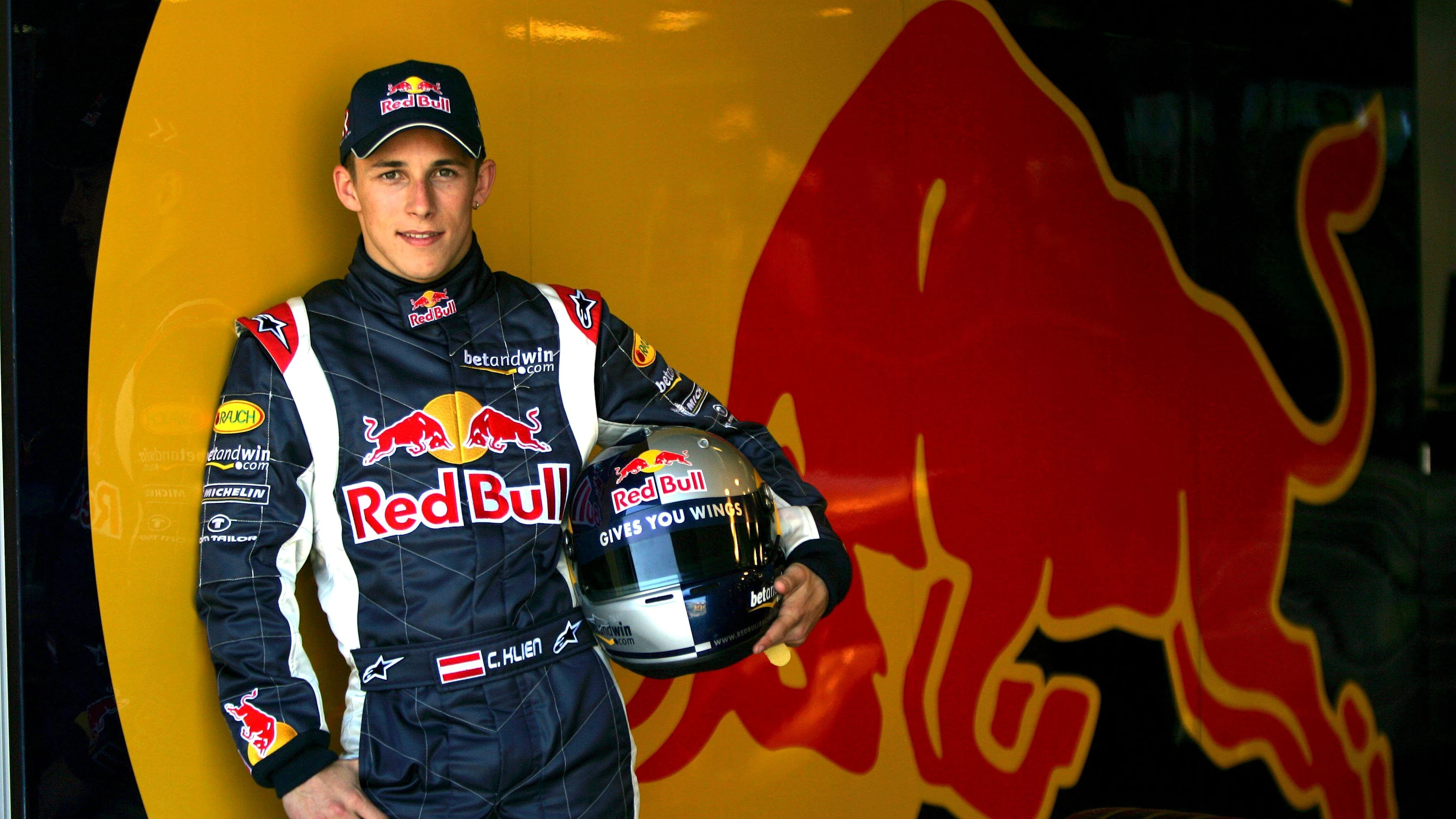
Christian Klien
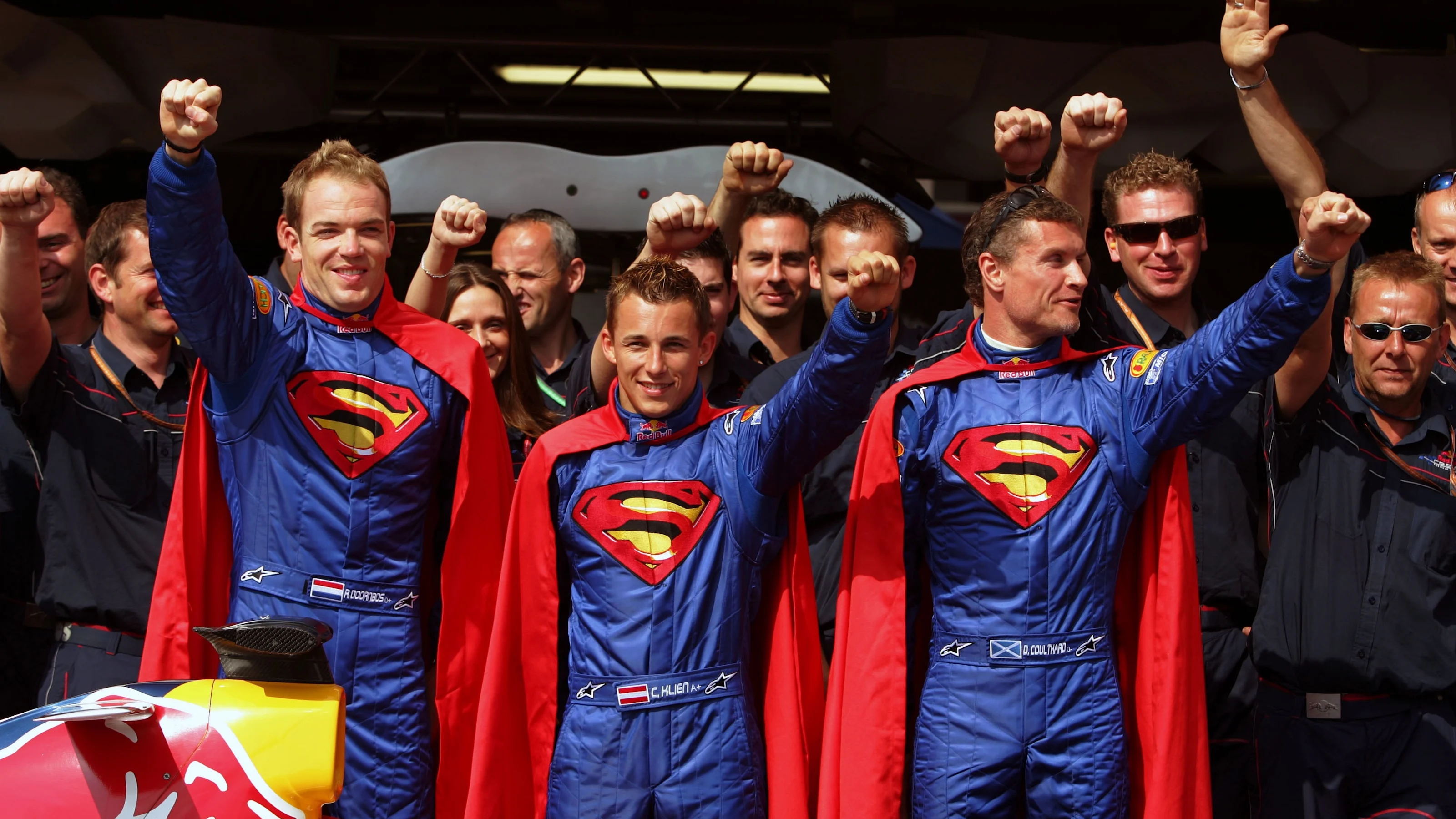
Before committing to a full-time F1 entry, Red Bull had a record of sponsoring teams and backing young motorsport talent – beginning with Austrian drivers Christian Klien, Patrick Friesacher and Bernhard Auinger, and a dedicated ‘Red Bull Junior Team’ that competed in Formula 3000 between 1999 and 2003.
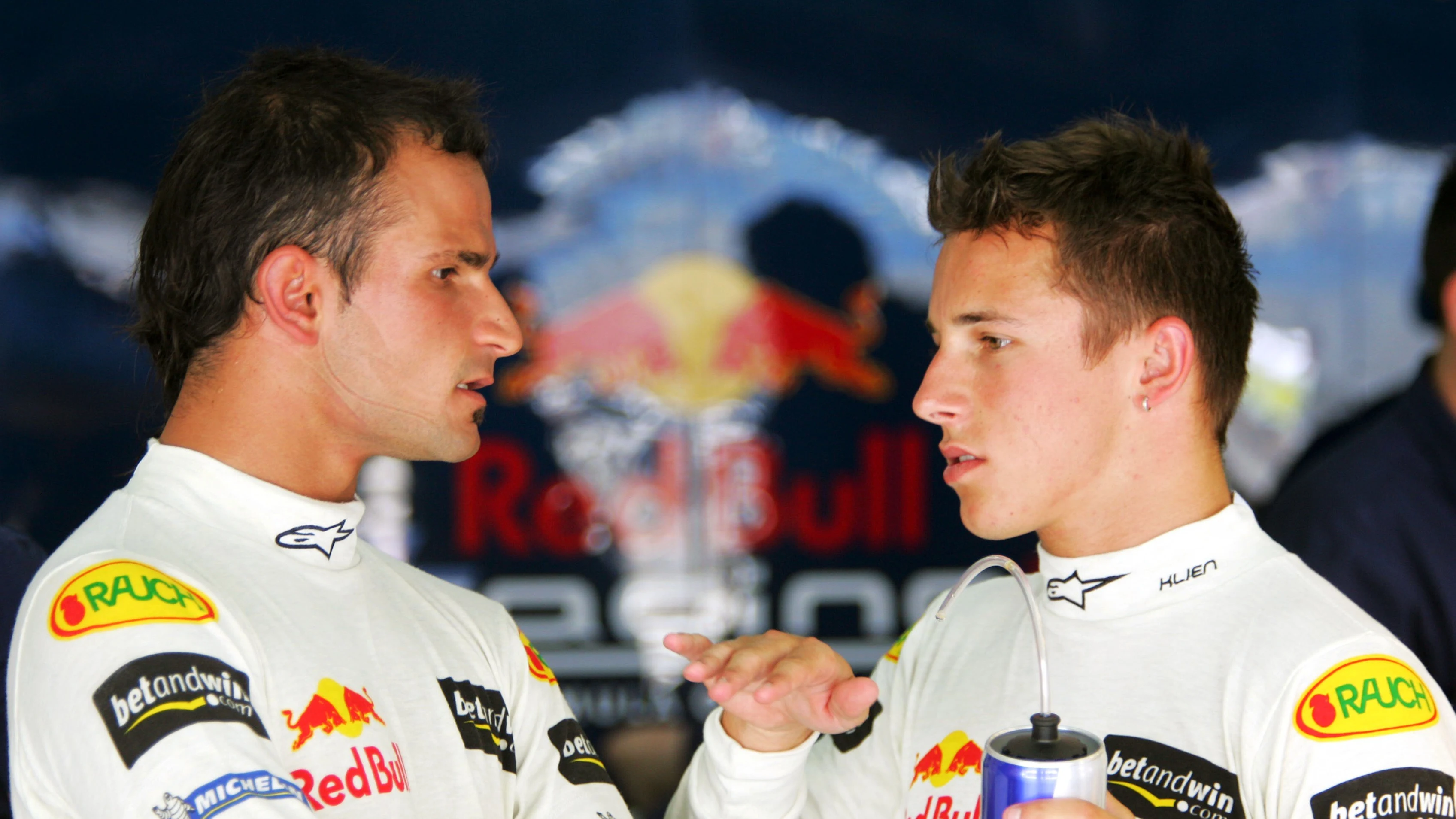
In 2004, Klien became the first Red Bull junior to compete in F1 by landing a drive at Jaguar. He remained onboard for the 2005 season when Red Bull took over the car manufacturer’s entry and made their F1 debut, albeit sharing a seat with another rising star in Vitantonio Liuzzi.
Occasional points finishes were enough to keep a drive alongside David Coulthard into 2006, but that would be his last full-time campaign in F1. Several test and reserve roles followed, including at Honda and BMW Sauber, before a final trio of race Grand Prix outings for backmarkers Hispania in 2010.
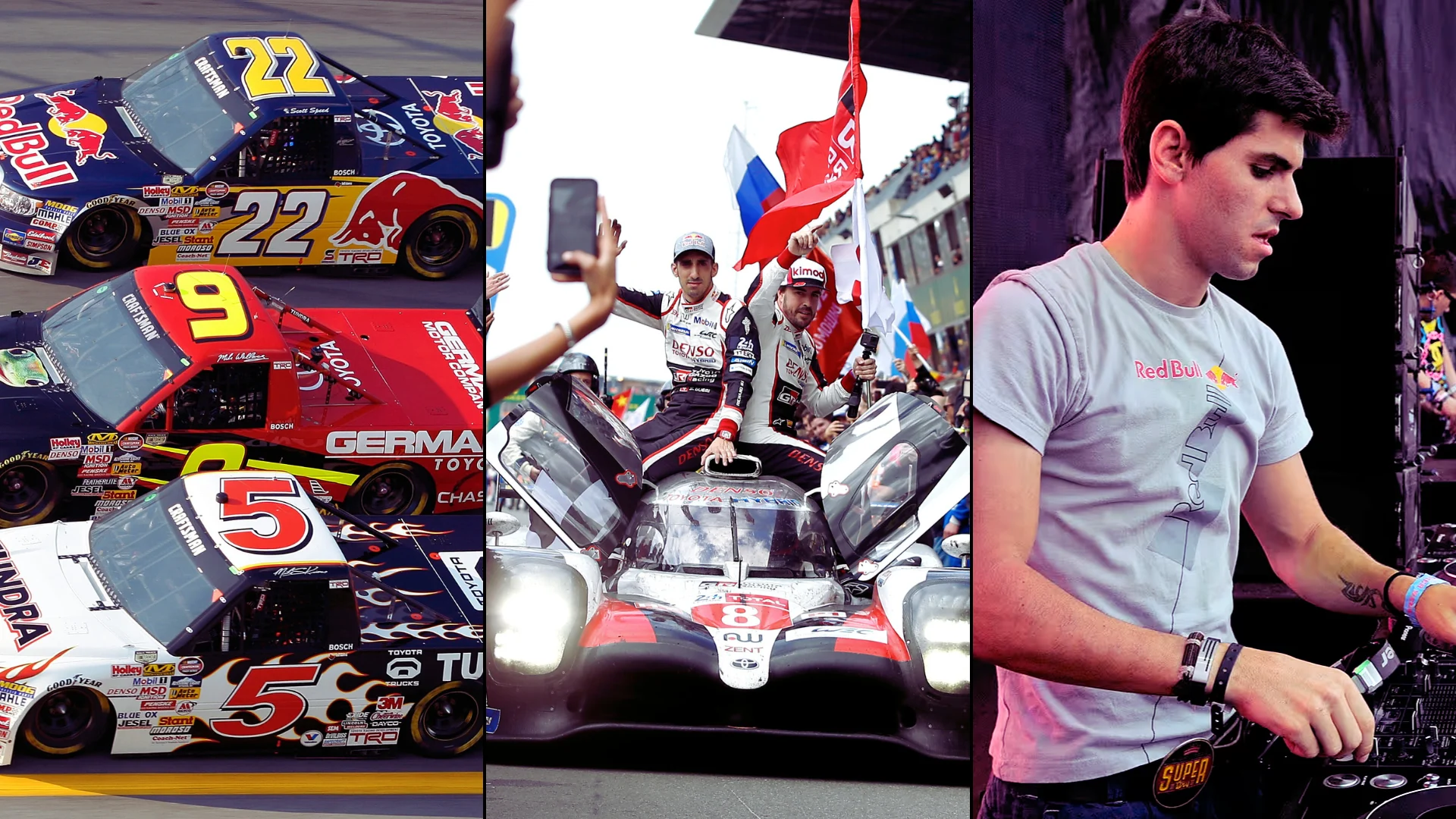
Klien embarked on a career in sportscars following his Red Bull exit, finishing third in the prestigious 24 Hours of Le Mans in 2008, and has remained active until recent years – dovetailing those duties with F1 commentary and punditry for Austrian television.
Vitantonio Liuzzi
As touched on above, Liuzzi also had a shot in a Red Bull cockpit in 2005 after winning the previous year’s F3000 title (the equivalent of F2 back then), but despite scoring points on his debut at the San Marino Grand Prix, that stint lasted just four race weekends.
Liuzzi was given a second chance to prove himself at Red Bull’s new junior team, Toro Rosso, from the 2006 season. He stayed there for two years, spending a handful of races alongside future four-time World Champion Sebastian Vettel, before being dropped.
After a year-and-a-half out, Liuzzi returned to F1 action with Force India midway through 2009 as a substitute for Giancarlo Fisichella (who had been signed by Ferrari to replace the injured Felipe Massa and under-performing stand-in Luca Badoer). He completed a full season in 2010 – achieving a personal best haul of 21 points – and then switched to Hispania for 2011.
Liuzzi went on to race in a host of different motorsport categories after his time in F1, from V8 Supercars to Super Formula, and remains a paddock presence to this day thanks to him acting as driver steward for F1’s governing body, the FIA.
Robert Doornbos
While Liuzzi won the 2004 F3000 title, fellow Red Bull-backed racer Robert Doornbos classified third in the standings, the year he also started his F1 career by conducting test duties – and making Friday practice outings – for Jordan.
Doornbos completed more practice runs with Eddie Jordan’s squad in 2005 before switching to Minardi mid-season and replacing Friesacher on the grid. He then slotted into Red Bull’s reserve ranks for 2006, supporting Coulthard and Klien, and taking the latter’s seat at the final three Grands Prix of the year.
A spell in America saw him finish third in the Champ Car World Series standings, and have a crack at IndyCar, paving the way for a second career as a respected motorsport pundit in his home country of the Netherlands, amongst plenty of business interests.
Scott Speed
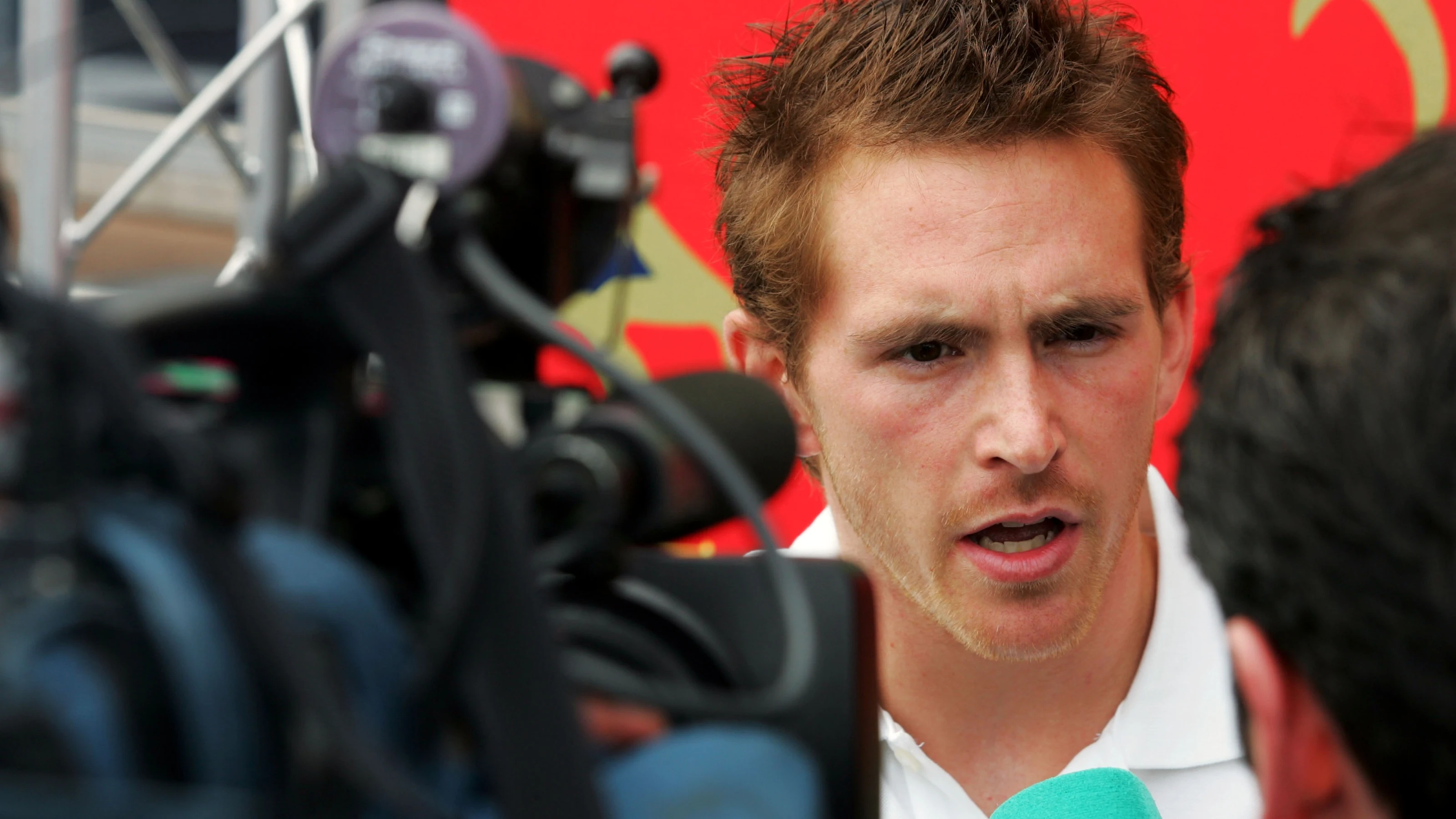
Scott Speed was America’s next F1 hope when he graduated to the top echelon in 2006 via an impressive rise through the single-seater ranks – the California native battling ulcerative colitis (a form of inflammatory bowel disease) along the way.
His time in the championship lasted just one-and-a-half seasons, however, via run-ins with established Red Bull racer Coulthard and Toro Rosso team boss Franz Tost, and questions over an “outrageous” ego that was tamed post-F1.
Speed later tackled NASCAR and Rallycross back home in the United States (fracturing his vertebrae in a heavy 2019 crash), while maintaining his links to the Red Bull brand, and now spends most of his time helping upcoming drivers maximise their potential on and off the track.
Sebastian Vettel
Speed’s mid-2007 exit from Toro Rosso opened up a spot for the highly rated Vettel, who had already caught the eye during practice runs and a point-scoring debut – in place of the injured Robert Kubica – with BMW Sauber.
After a tricky start, Vettel found his feet and began to show the F1 world what he was made of, scoring a brilliant wet-weather victory on Toro Rosso’s home soil at Monza and earning promotion to the senior Red Bull team for 2009.
Making the most of Adrian Newey’s technical genius, Vettel racked up a huge number of pole positions and victories over the next few years, claiming back-to-back Drivers’ Championship titles from 2010 to 2013, and cementing his legendary status.
A blockbuster move to Ferrari followed in 2015, but he ultimately missed out on adding another crown across six rollercoaster campaigns at the famous Italian marque, with one last hurrah coming via a two-year spell at Aston Martin in 2021-22.
He has since embarked on various initiatives to improve the world we live in, including a ‘Buzzin’ Corner’ biodiversity project in 2023 and a recycled helmet creation in 2024, while 2025 featured a Race4Women event in Saudi Arabia and the birth of the ‘F1FOREST’.
Sebastien Buemi
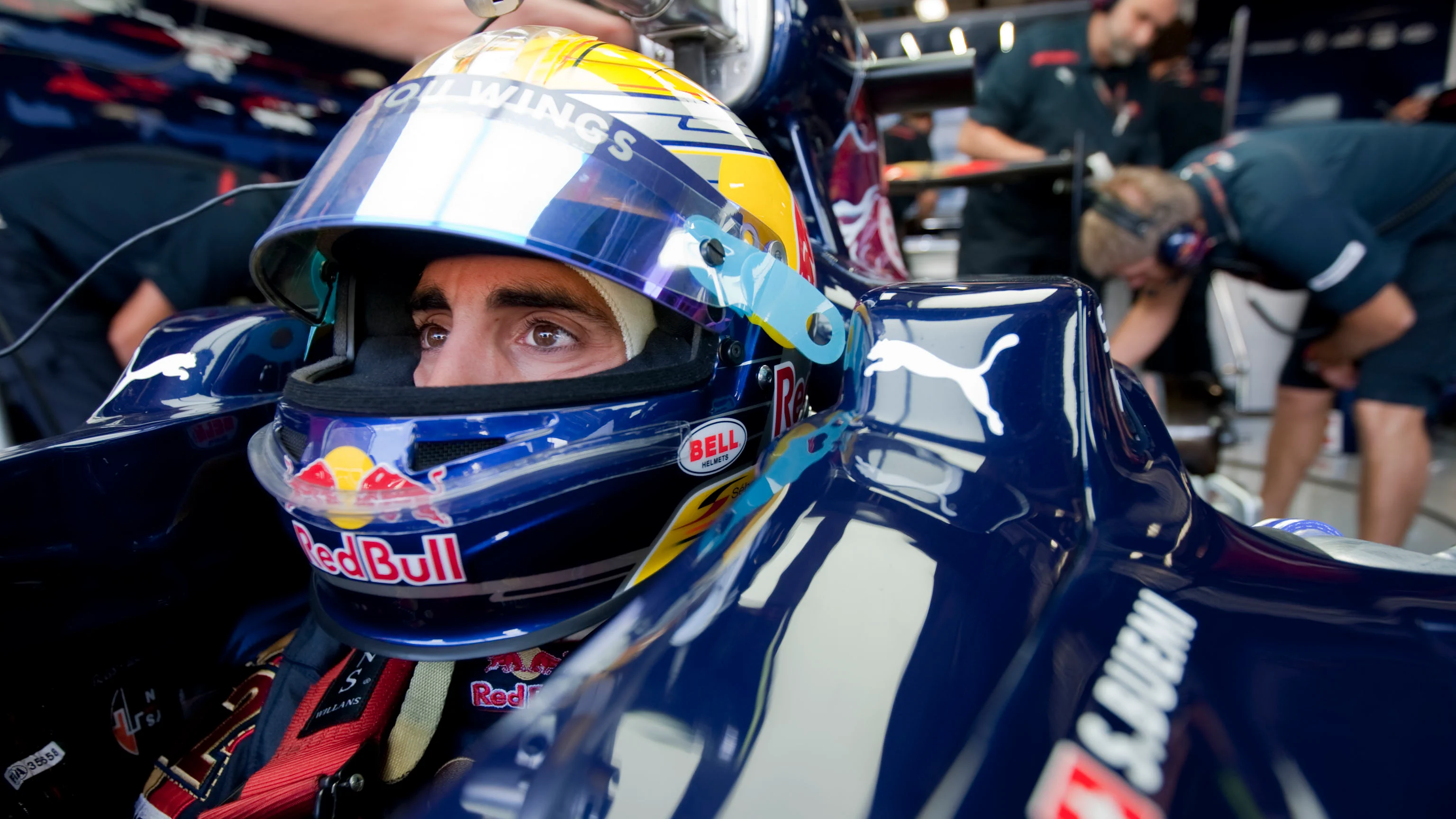
Following Vettel’s Red Bull promotion, Toro Rosso became a team of ‘Sebastiens’ in 2009 when GP2 race winner Buemi joined incumbent Bourdais, but the Swiss racer would not follow that path to the main team and championship triumphs.
Buemi lasted three seasons – which featured some solid points finishes but few stand-out moments – before Toro Rosso overhauled their driver line-up again, forcing him to look outside F1 and begin a new chapter in the endurance world.
He enjoyed plenty of success over the years that followed, winning the World Endurance Championship and the 24 Hours of Le Mans four times (two alongside Fernando Alonso), while also returning to single-seaters in the electric Formula E series – earning the title in 2015-16.
Alongside this, Buemi has retained links to Red Bull Racing in a test, reserve and development capacity, playing a crucial role on their simulator and providing support to the F1 team wherever he could over the last decade or so.
Jaime Alguersuari
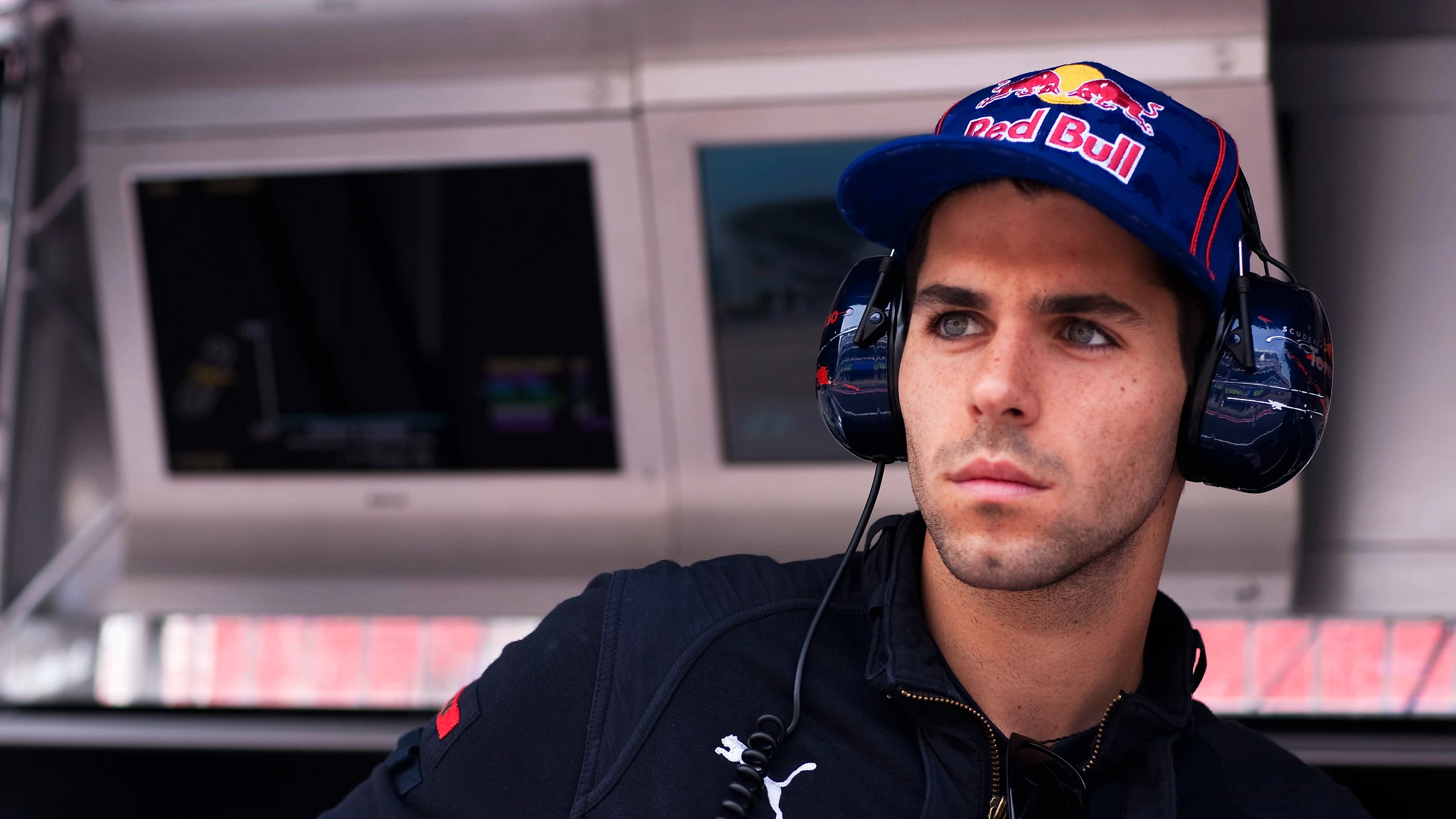
Buemi shared most of his F1 journey with Jaime Alguersuari, who replaced Bourdais part-way through 2009 and became the sport’s youngest-ever driver at 19 years, four months and three days old – Max Verstappen, Lance Stroll, Kimi Antonelli and Oliver Bearman dipping below that marker since.
Alguersuari enjoyed a particularly strong run of form in 2011, scoring points in seven out of 11 mid-season races, including P7 finishes in Italy and South Korea, but it was not enough to convince Red Bull chiefs to keep him in their programme.
After missing out on a seat elsewhere on the F1 grid, Alguersuari made sporadic outings in German GT, Brazilian Stock Cars and Formula E, but he soon decided to retire and focus on his other passion of music production – the Spaniard now performing as DJ ‘Squire’.
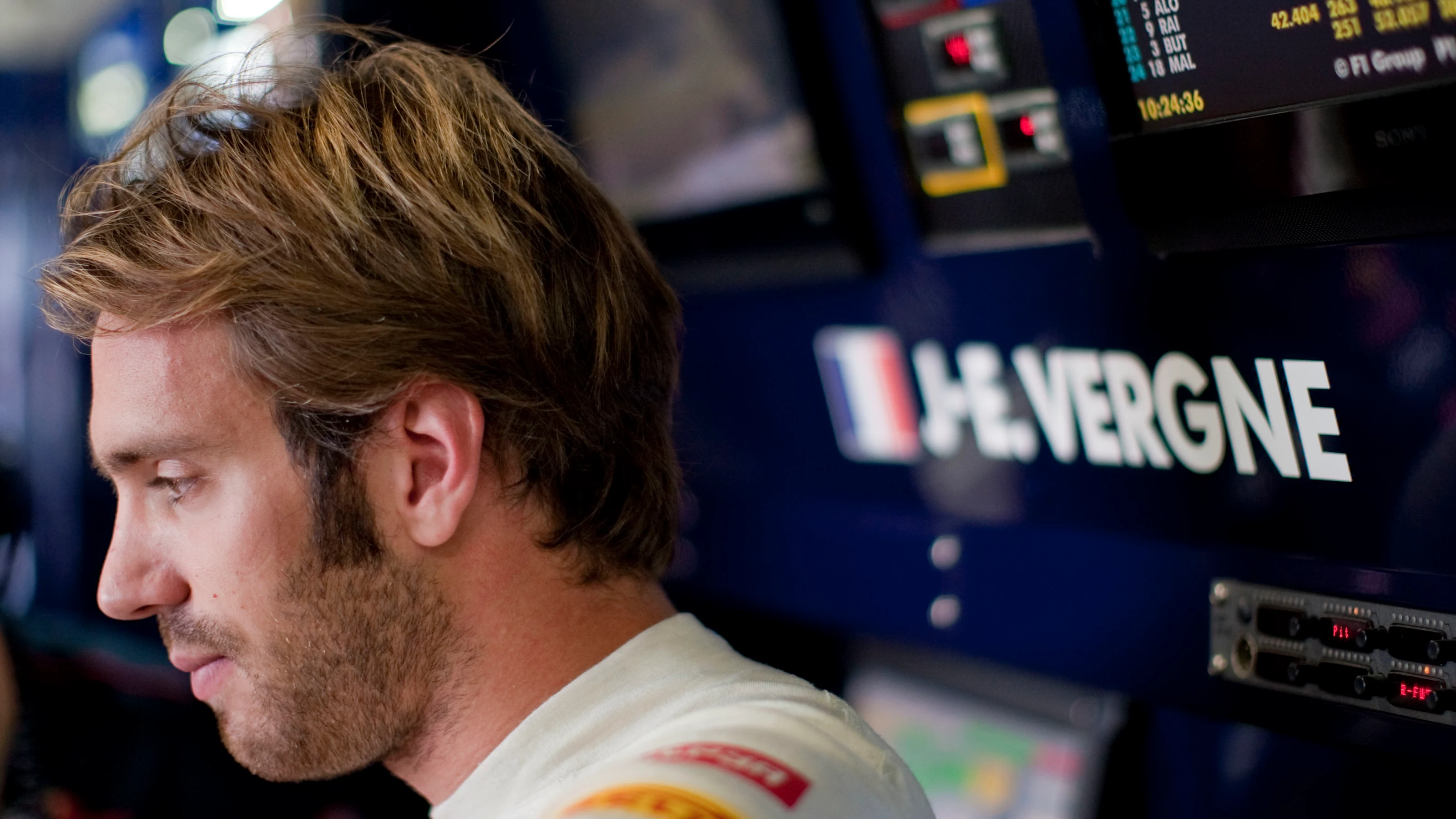
Jean-Eric Vergne
With both Buemi and Alguersuari pushed out, Jean-Eric Vergne formed half of another all-new Toro Rosso line-up in 2012, having won the British F3 title, finished second in Formula Renault 3.5 and performed well during F1 test and practice runs.
Like Buemi, Vergne’s career would last three seasons, across which Red Bull were never quite convinced to promote him to the senior team. For 2014, it was Daniel Ricciardo who replaced the out-going Mark Webber, and for 2015, it was Daniil Kvyat who took Vettel’s spot.
Again, like Buemi, Vergne has combined Formula E and endurance racing since dropping off the F1 grid – winning the electric championship crown in 2017-18 and 2018-19, and continuing into the 2025-26 season, while becoming a regular at Le Mans.
Daniel Ricciardo
Ricciardo made his F1 debut with Hispania – as team mate to Liuzzi – at the 2011 British Grand Prix, completing half a season in back-of-the-grid machinery before Red Bull bosses sent him to Toro Rosso alongside Formula Renault 3.5 rival Vergne.
When fellow Australian Webber retired from F1, Ricciardo got the nod to replace him for the start of the turbo-hybrid era in 2014, having shaded that intra-team battle with Vergne, and he soon made his mark by claiming a trio of Grand Prix wins across the season.
Ricciardo made Red Bull his home after that, winning more races in 2016, 2017 and 2018, and forming an effective partnership with future champion Verstappen. However, for 2019, as the Dutchman’s standing inside the team grew, Ricciardo opted for a switch to Renault.
Two years with the French manufacturer failed to deliver the results both parties had been hoping for, prompting another move to McLaren where, despite winning a dramatic 2021 Italian Grand Prix, Ricciardo generally struggled next to Lando Norris and lost his seat to Oscar Piastri.
After a spell on the sidelines, Ricciardo was given one more chance to show that he still had what it took to fight with the very best, heading to AlphaTauri as Nyck de Vries’ replacement in mid-2023, but he could not quite do enough to earn his “dream” of a Red Bull return.
Ricciardo went off-grid in 2025, before emerging to explain how he was going through “a bit of self-exploration” while “trying to figure out who I am” beyond racing. Later, he became a Global Ambassador for the Ford Racing division, and effectively confirmed his retirement.
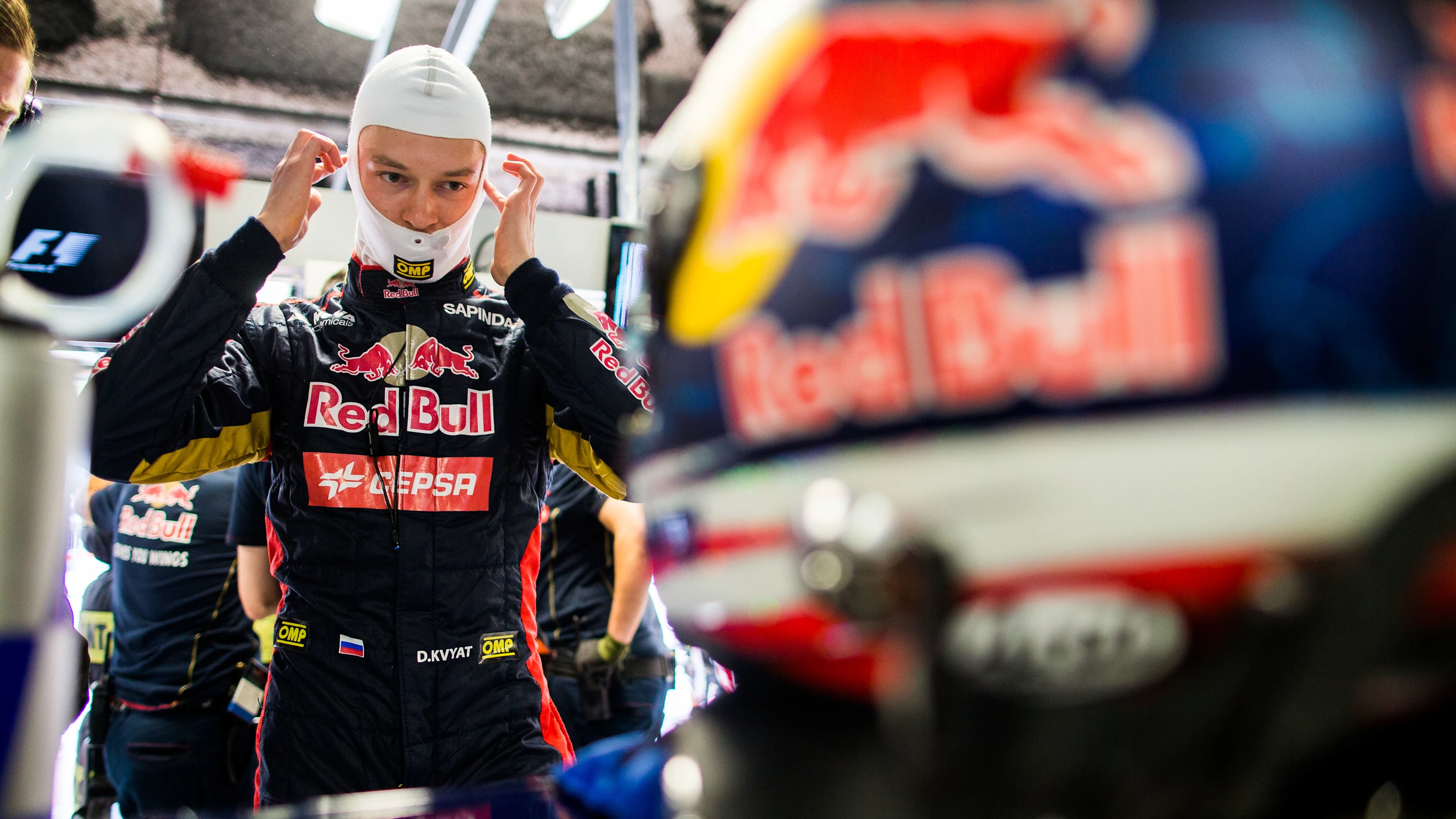
Daniil Kvyat
GP3 champion Kvyat was fast-tracked to F1 in 2014, hopping into the Toro Rosso seat vacated by Red Bull-bound Ricciardo, and he took another leap at the end of his rookie season when he replaced Ferrari-bound Vettel at the senior team for 2015.
Kvyat out-scored Ricciardo over the course of their first season together, but an up-and-down start to 2016 – mixed with Red Bull’s desire to promote Verstappen – saw the Russian swiftly sent back to Toro Rosso in dramatic circumstances.
Despite doing all he could to rebuild his career and find a way into a Red Bull seat again, with his efforts yielding a podium at the rain-hit 2019 German Grand Prix, Kvyat had to settle for a few more campaigns at the sister team before bowing out of the sport.
Post-F1, Kvyat has tried his hand at several championships, from NASCAR to the World Endurance Championship, while he is also involved in the development of the Abu Dhabi Autonomous Racing League, serving as a human benchmark.
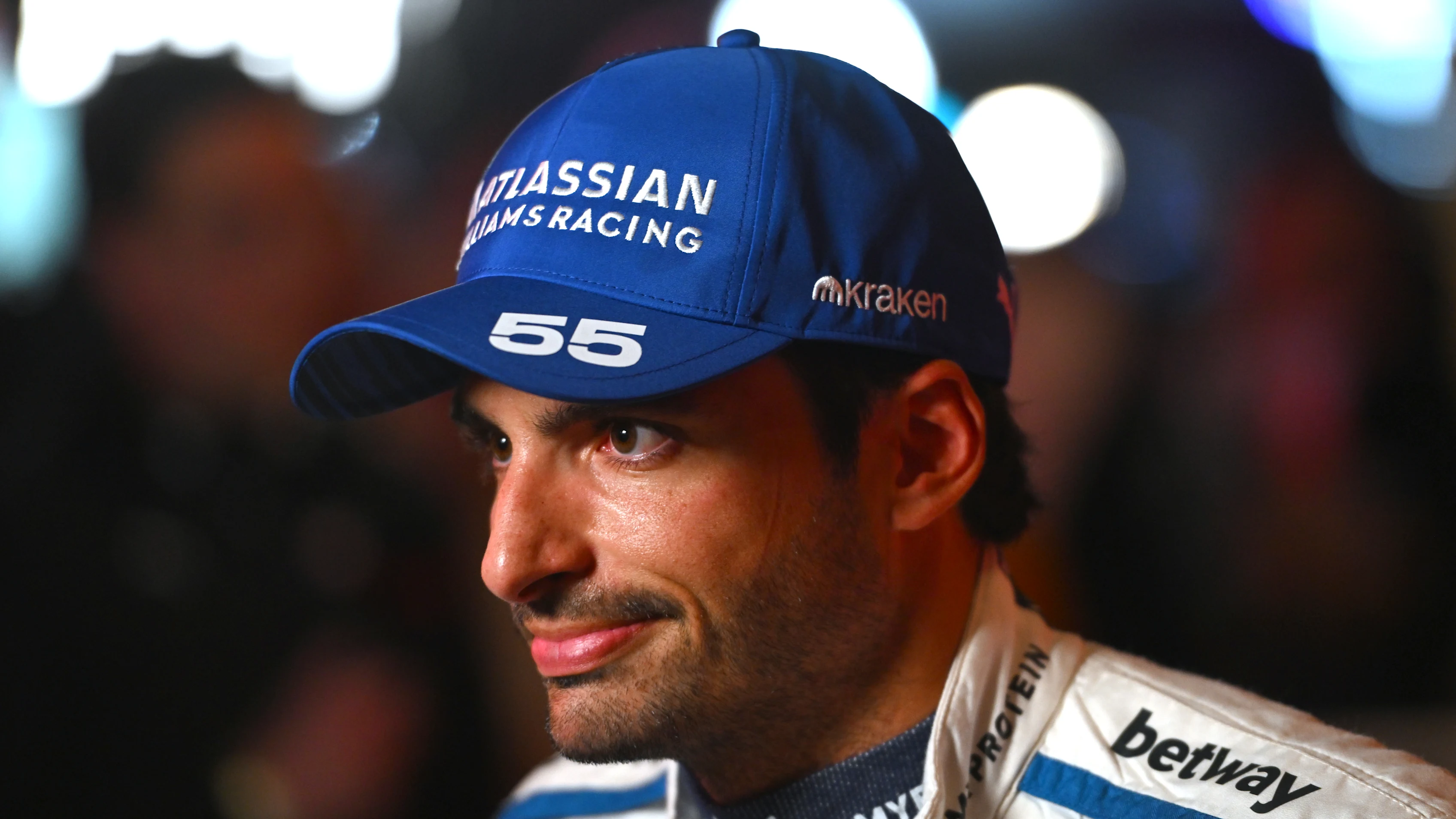
Carlos Sainz
The next cycle of Toro Rosso drivers came in 2015, when the ousted Vergne and new Red Bull racer Kvyat were replaced by Carlos Sainz and Verstappen – the Spaniard stepping up after beating Pierre Gasly to the 2014 Formula Renault 3.5 title.
Sainz and Verstappen pushed each other hard in the intra-team stakes, but Red Bull’s hierarchy favoured the Dutch youngster when it came to a spot at the senior team which, as outlined above, went his way in the early stages of the 2016 season.
While Verstappen settled in at Red Bull, Sainz ploughed on at Toro Rosso and, with no sign of a promotion on the horizon, he looked elsewhere – joining Renault towards the end of 2017 and later enjoying a competitive stint at McLaren as Norris’ new team mate.
Then, for 2021, Sainz was poached by Ferrari to replace four-time champion Vettel, raising his stock further alongside the Scuderia’s long-time protégé Charles Leclerc by earning a maiden pole position and Grand Prix victory.
Sainz stayed with Ferrari for four seasons, winning three more races, before a bombshell announcement dropped that Lewis Hamilton would be taking his place from 2025 – eventually sending him in Williams’ direction, where he has already contributed heavily to their rebuild.
Max Verstappen
As Sainz transitioned to Renault, then McLaren, then Ferrari, then Williams, Verstappen stayed put at Red Bull, building on an incredible race-winning debut for the team at the 2016 Spanish Grand Prix to become a consistent front-runner.
When Red Bull and Honda produced a competitive enough package in 2021, Verstappen did not need to be asked twice – the Dutchman taking the fight to Mercedes rival Hamilton and ultimately coming out on top after a final-round showdown in Abu Dhabi.
Plenty more was to come from Verstappen, who won the next three titles on the bounce – under F1’s ground effect era – to equal Vettel and Red Bull’s previous championship-winning run, and write his name into the history books as one of F1’s greatest drivers.
The 2025 season was tougher for Verstappen, with Red Bull lacking pace and consistency compared to rivals McLaren, but a remarkable comeback over the second half of the year saw him fall just two points short of what would have been a record-equalling fifth straight crown.
Verstappen is now preparing to enter a 10th full season as a Red Bull driver, while exploring other motorsport interests outside F1, having set up his own endurance team and triumphed on his GT3 race debut at the Nurburgring Nordschleife last year.
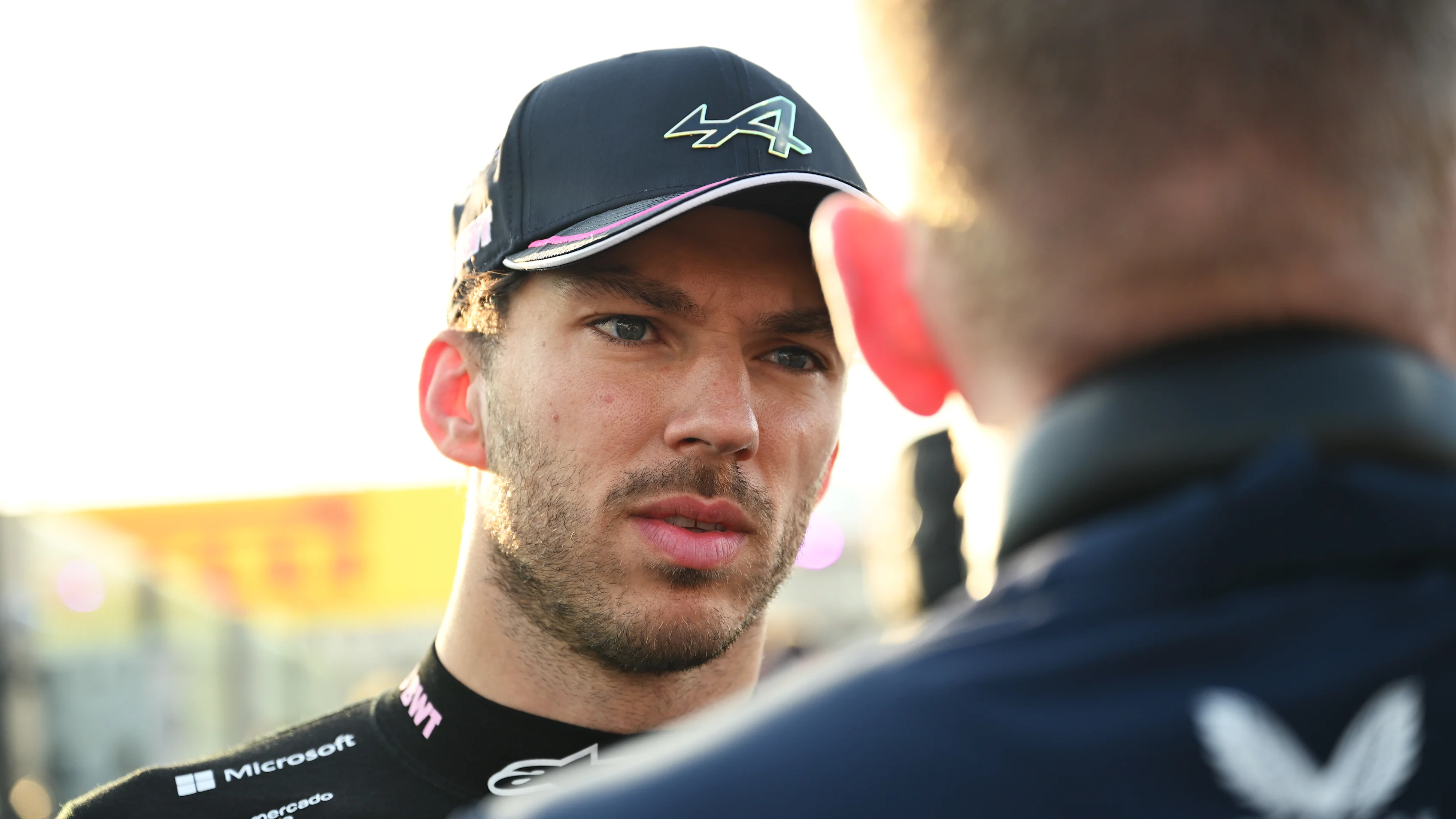
Pierre Gasly
As mentioned earlier in this piece, Gasly’s F1 break came in the final rounds of 2017 – Toro Rosso making several late-season changes when they dropped Kvyat, allowed Sainz to join Renault early and also tried out endurance star Brendon Hartley.
Gasly could not get a point on the board across those five outings, but he impressed in the early stages of his first complete season with a fine run to fourth at the Bahrain Grand Prix, and starred again with drives to seventh in Monaco and sixth in Hungary.
With Ricciardo heading to Renault, Red Bull called on Gasly to join Verstappen at the senior team in 2019, but his time there lasted just 12 races – the Frenchman struggling to get comfortable in a second seat that many drivers have found challenging since then.
Gasly enjoyed a rebirth on his return to Toro Rosso/AlphaTauri, pipping Hamilton to second at the 2019 Brazilian Grand Prix, claiming an emotional home win for the team at the 2020 Italian Grand Prix, and reaching the rostrum again at the 2021 Azerbaijan Grand Prix.
For 2023, though, Gasly left the Red Bull family, linking up with Alpine and forming an all-French driver pairing alongside old karting rival Esteban Ocon. Following the latter’s move to Haas, Gasly became the de facto team leader as ‘Team Enstone’ push to get back to winning ways.
Brendon Hartley
Hartley had an unusual journey to the F1 grid, initially climbing the single-seater ranks with Red Bull support, and taking on test/reserve duties for the senior and sister teams, but then failing to kick on in Formula Renault 3.5 and GP2, and heading for sportscars.
It looked as though the moment had passed until late-2017 when, in his own words, the “somewhat of a surprise” chance arrived amid Toro Rosso’s reshuffling of seats – those four outings paving the way for a full-time drive the following year.
However, while Hartley made it into the points on three occasions in 2018, he was comprehensively beaten by team mate Gasly, leading to the New Zealander being dropped from Red Bull’s roster again and going back to endurance competition.
Hartley put that disappointment behind him to take back-to-back World Endurance Championship titles in 2022 and 2023 (when he shared the cockpit with Buemi), adding to previous triumphs in 2015 and 2017, while he is also a three-time winner of the 24 Hours of Le Mans.
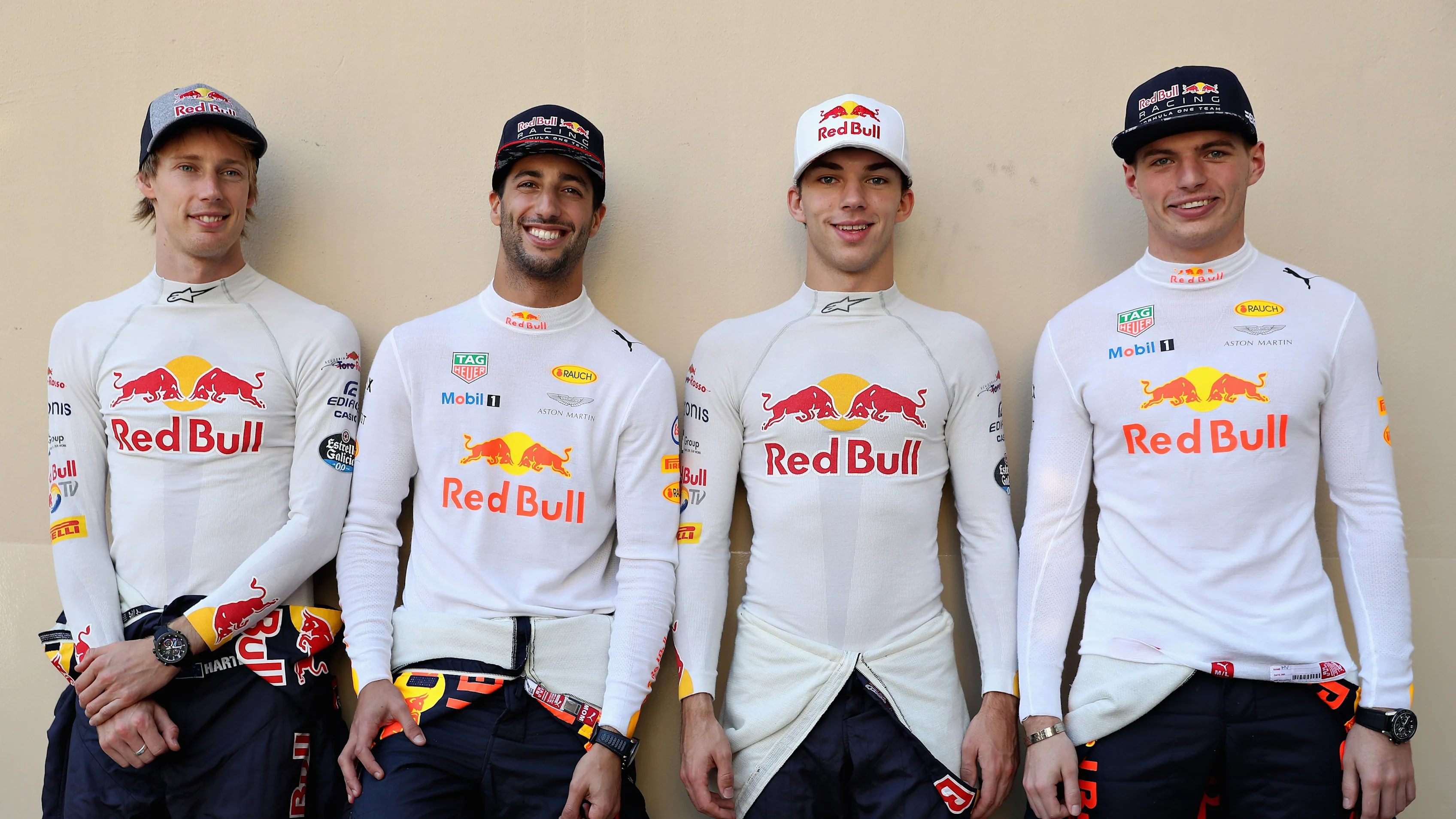
Alex Albon
Alex Albon was another driver who appeared to have missed the F1 boat following a low-key 2017 F2 season, but he returned to the feeder series in 2018 to take four wins and finish third in the standings behind George Russell and Norris – peers who rated him highly from his karting days.
Dropped by Red Bull several years before, Albon rejoined the programme – backing out of a planned Formula E deal in the process – to join Kvyat at Toro Rosso for 2019, becoming only the second Thai driver to race in F1 after Prince Birabongse Bhanudej Bhanubandh (better known as Prince Bira) in the 1950s.
He started well, scoring points in five of his first 12 Grands Prix, including a best result of sixth in Germany – form that proved strong enough to earn a rapid mid-season promotion to the senior team as Gasly’s replacement.
Albon was a consistent points scorer at Red Bull, but again struggled to match Verstappen’s relentless pace, meaning his time was also up after just a season-and-a-half – Red Bull demoting him to a reserve role for 2021 and signing Sergio Perez in his place.
After a year on the sidelines, which included plenty of hours in Red Bull’s simulator, Albon secured an F1 return with Williams, going from strength to strength over the last four seasons and arguably putting together his most competitive campaign to date in 2025.
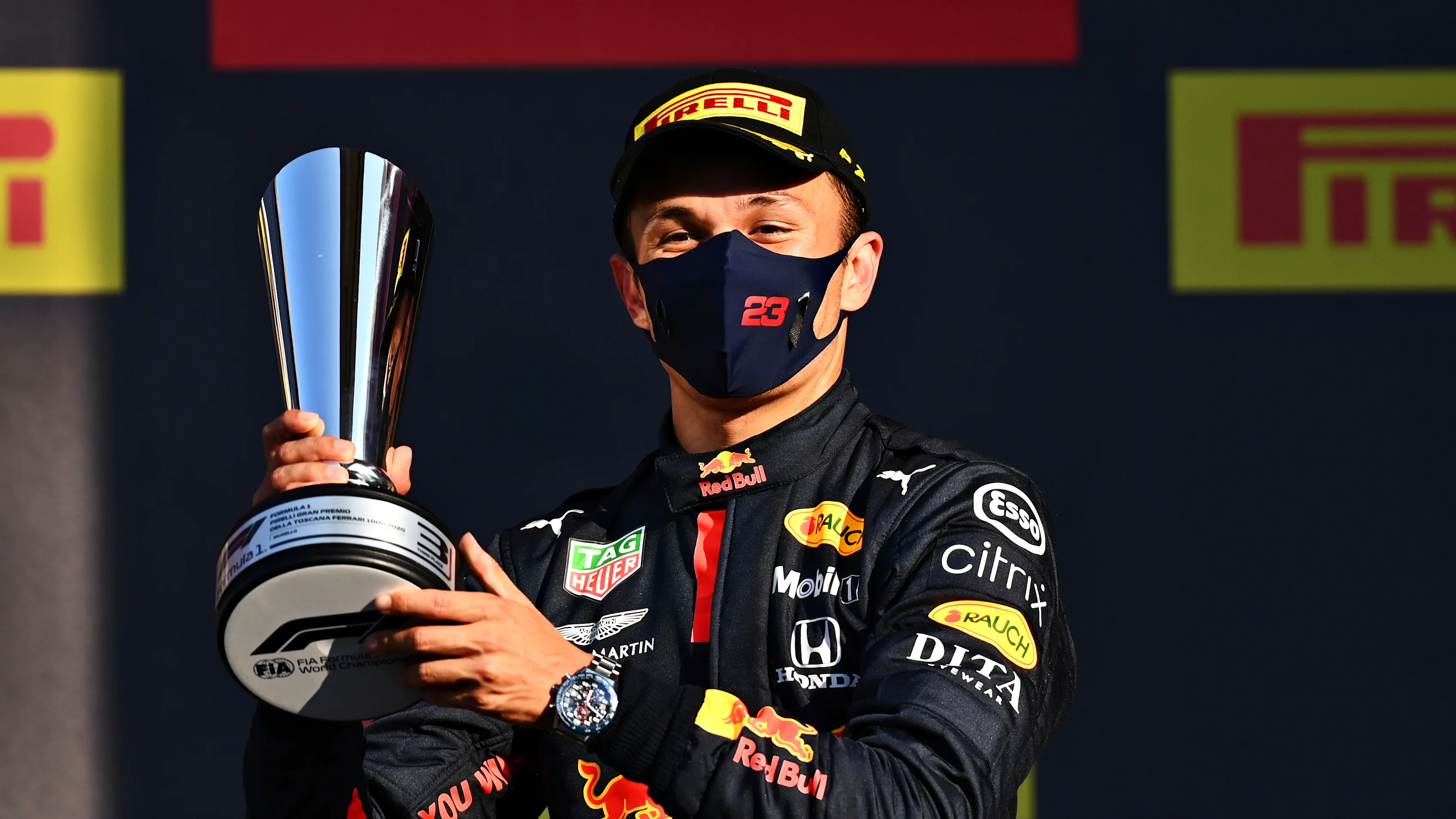
Yuki Tsunoda
Backed by Honda through his single-seater career, Yuki Tsunoda arrived on the F1 scene in 2021, joining Gasly at AlphaTauri – powered by the manufacturer’s engines – after taking the Japanese F4 title, winning in F3 and finishing third in the F2 standings.
Tsunoda earned plenty of praise for a points-scoring debut, and ended his debut season with a personal best P4 finish, but dotted between those results were costly incidents, early Qualifying exits and missed opportunities, as well as a fair few radio outbursts.
He received more time than some of those before him to round off those rough edges, and at the conclusion of the 2024 campaign was given an “outstanding” report card from Laurent Mekies, who had taken over from Tost as AlphaTauri’s team boss.
While there were clear signs of growth on Tsunoda’s side, there was no room at the Red Bull inn for several years thanks to the continuing Verstappen/Perez partnership, and when a position finally opened up for 2025, super-sub Liam Lawson got the call.
Another sequence of second seat musical chairs soon followed, with Lawson and Tsunoda swapping places just two rounds into the season, but the Japanese racer – like so many before him – found life difficult alongside reigning champion Verstappen.
Tsunoda kept his seat until the end of the campaign, but ultimately lost out to Isack Hadjar when it came to a 2026 drive, meaning test and reserve duties – for both the Red Bull Racing and Racing Bulls outfits – are now in store.
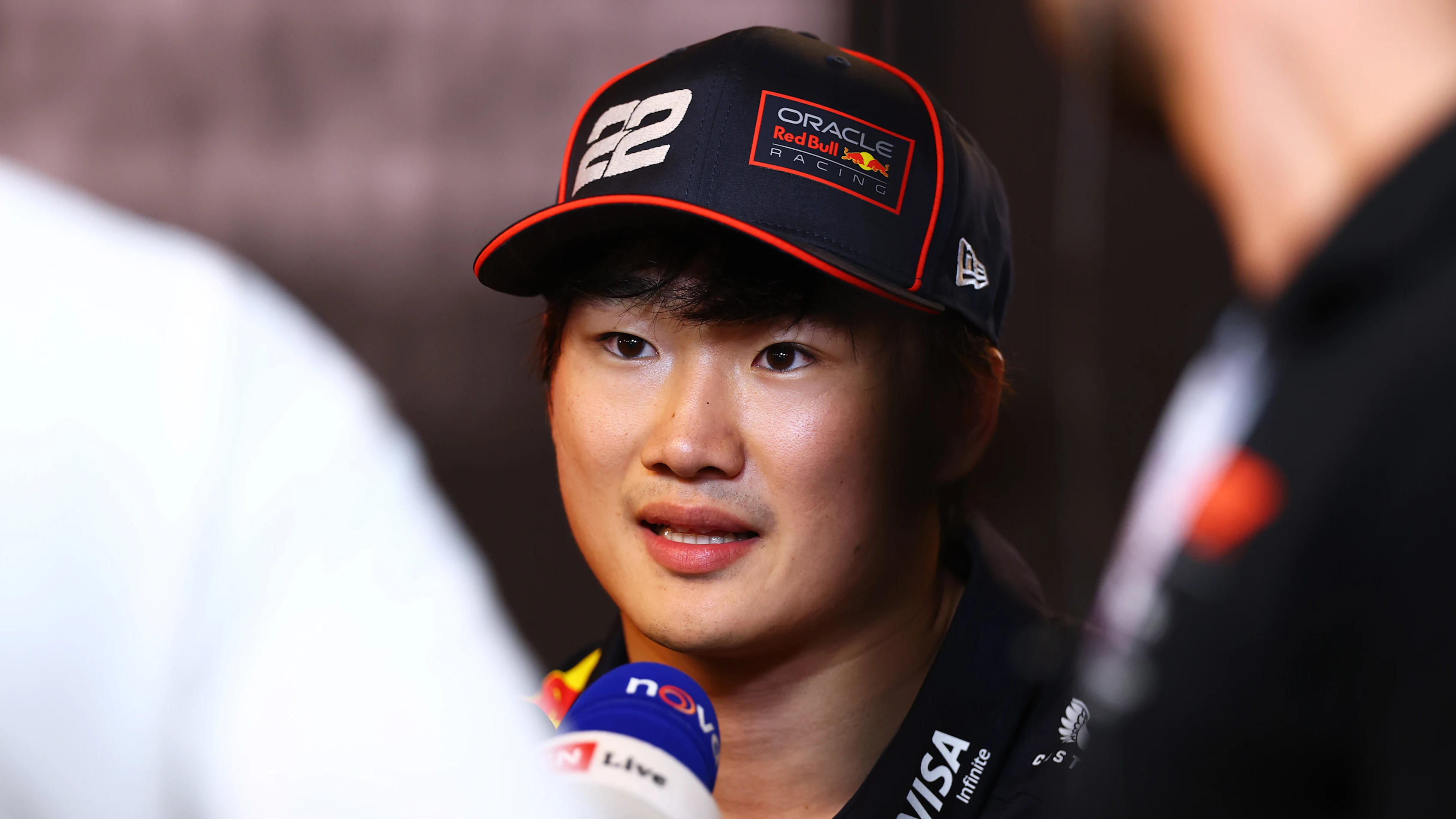
Liam Lawson
Lawson had been knocking on the F1 door for several years when a surprise, last-minute opportunity popped up at the 2023 Dutch Grand Prix, where regular AlphaTauri driver Ricciardo broke his hand in a practice accident.
Dealing with a new car and tricky, mixed weather conditions, Lawson performed admirably over the course of that debut weekend, before well and truly sending a message in Singapore when he pipped Verstappen to a spot in Q3 and raced his way to ninth.
With Ricciardo returning to action in Austin, Lawson’s stand-in run was soon over, but he found himself back in action almost exactly one year later – this time replacing the Australian on performance grounds for the final six rounds of 2024.
Lawson and Tsunoda were evenly matched during that period, but when Red Bull decided to part ways with Perez, the New Zealander was favoured for a promotion, given what he had been displaying with significantly less experience.
It was a dream that quickly turned into a nightmare, however, with Lawson lasting just two weekends before being unceremoniously sent back to Racing Bulls. Since then, he has rebuilt his reputation via several points-scoring displays, and will continue at the sister team into F1’s new era of regulations.
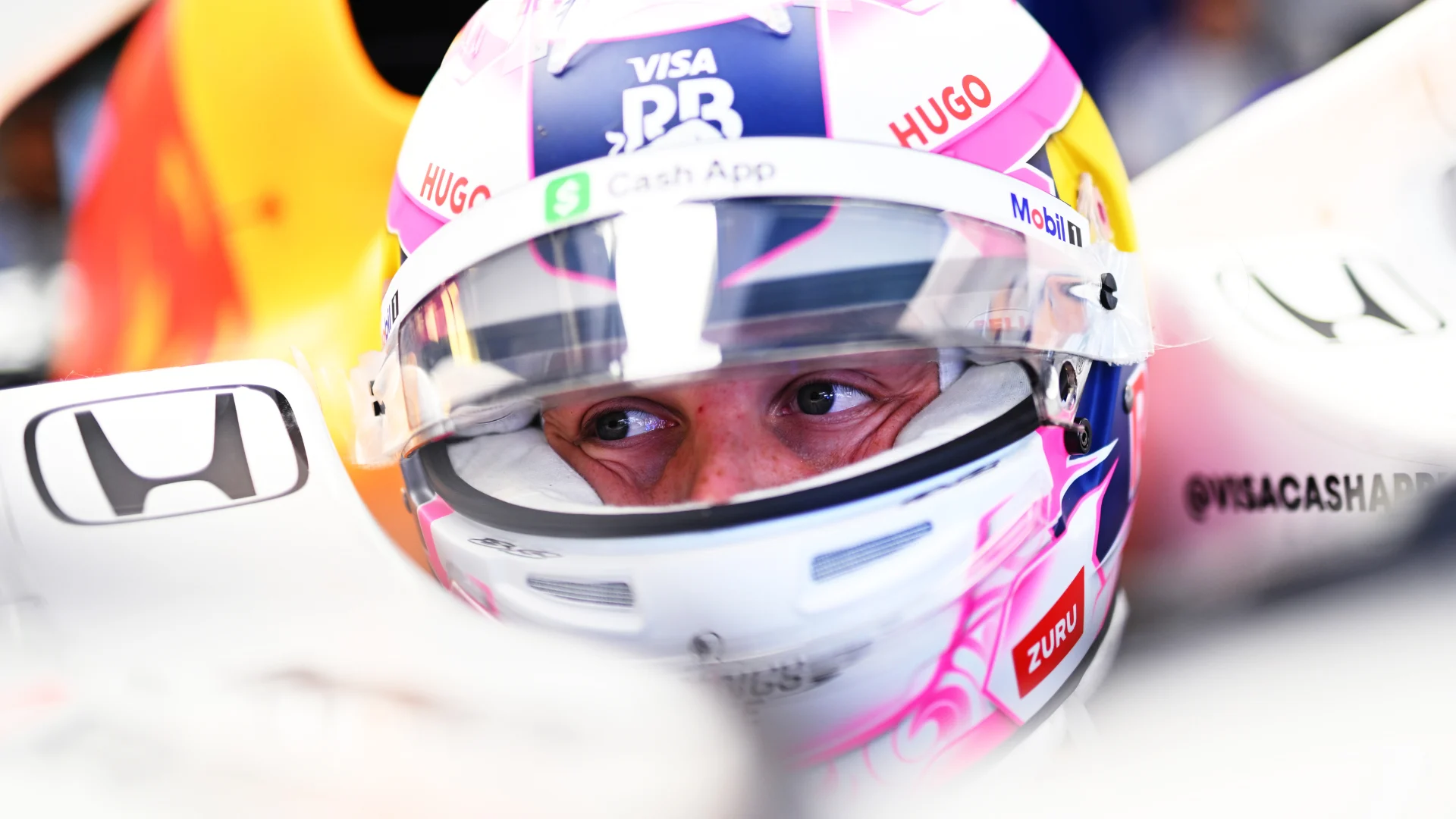
Isack Hadjar
Already mentioned several times in this feature, given the intertwining careers of drivers involved in Red Bull’s junior programme, last on the list is Hadjar – the Frenchman debuting at Racing Bulls in 2025 after finishing second to Gabriel Bortoleto in F2.
Hadjar’s start to life in F1 was a painful one, having spun at the start of the formation lap for the season opener in Australia, but he bounced back in style to put together a superb rookie term and leave no doubt in Red Bull’s mind over his future potential.
Points were scored in five out of seven Grands Prix between Japan and Spain, before Hadjar made headlines at the Dutch Grand Prix when he qualified fourth and finished a high-flying third behind championship challengers Piastri and Verstappen.
Hadjar continued to impress with more Q3 appearances and points, and a fierce determination to get better and better, making his promotion to Red Bull for 2026 a formality. Now he will be aiming to break the trend of his predecessors and stay there.
Next Up
Related Articles
 Ocon confirms his intentions after announcing Haas exit
/GettyImages-2298015378.webp) Hadjar, Lindblad and Colapinto hit with penalties in Sepang
Hadjar, Lindblad and Colapinto hit with penalties in Sepang Drivers reflect on the key challenge they expect in Sepang
 BettingBest Qualifying bets available for the Bahrain GP
/GettyImages-2297999485.webp) Alonso explains decision to stay with Aston Martin for 2027
Alonso explains decision to stay with Aston Martin for 2027 BettingOur top tips for in-race betting during Bahrain GP